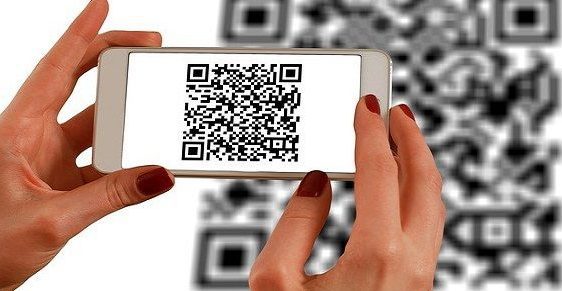

QR codes are a popular means of sharing information, but did you know size matters? There isn’t an absolute maximum size for QR codes, but it is crucial to consider scanning ability. Here’s what you need to know:
In conclusion, it’s important to balance factors like scanning ability, distance, resolution, and the environment when deciding on a QR code’s size. By doing so, you can ensure that your QR code is effective, scannable, and optimally sized for your needs.
Understanding the Maximum Size of QR Codes
QR codes have become a popular way to connect with customers and clients in the digital age. They are simple and accessible, allowing a quick and convenient way to access information without the need for a Google search or typing in a web address. However, when creating QR codes, it’s important to consider the size to ensure they are easy to scan and read. In this article, we will discuss the maximum size for QR codes and the various factors that should be considered when determining their size.
The Importance of Considering Size for QR Codes
Size is an essential factor to consider when designing QR codes. While the size of the QR code determines the amount of data it can hold, larger codes aren’t necessarily better. Users typically scan QR codes on their smartphones, so if the code is too large, it can affect the scannability and readability of the code. Therefore, creating large QR codes that won’t be easily readable is pointless. As such, professionals need to find a balance between the amount of information they want the code to hold and its overall scanability.
Factors to Consider when Determining QR Code Size
Several factors determine the ideal QR code size, such as:
- Scanning Distance: The distance will determine the optimal size for your QR code. If the code is too far from where the user is scanning it, the code must be of a larger size to increase scanability. However, if it’s too close to the user, a smaller code may suffice.
- Surface Area: Another crucial factor is the surface area where the QR code will be located. If it’s a large surface area, a bigger code may be needed. However, if it’s small and confined, a smaller code will be adequate, and anything larger will become redundant.
- Resolution: The resolution of the image must be factored in as well. A big QR code with a low resolution could lead to blurriness, affecting its scanability as well.
- Printing Method: The printing method must also be considered because a big QR code may not print accurately depending on which method is being used.
Distance and Scannability: How Large Should QR Codes Be?
Distance is one of the most crucial factors that influence the size of a QR code. The further the distance between the smartphone and the code, the larger the QR code should be. If the distance is too close, a small QR code can still be effective in reaching the desired outcome.
However, if the QR code is too large for the distance, it could be challenging to scan, and the mobile device might be unable to read it. The ideal distance for scanning is one of the most critical considerations when determining the optimal size of your QR code.
QR Code Size: Wall Placement vs. Tabletop Placement
Wall placement and tabletop placement are the two primary locations where QR codes are often displayed. QR codes displayed on tabletops can be smaller than those placed on walls because users will typically scan them closely. A table setting is usually closer to eye level and easily accessible.
Conversely, a QR code on a wall requires a larger size for users to scan from a further distance. Usually, a QR code located on a wall must be about 2 – 3 times the size of the one located on a tabletop.
The Consequences of Oversized QR Codes
An oversized QR code can create complications such as poor scan results, blurry images, and wasted space on your printed material. Moreover, it can constrict design choices, thus limiting the overall design and causing aesthetic issues. The resulting consequences of printing a large QR code without considering your distance and scanability requirements can result in real issues. Therefore, it’s essential to find a balance in QR code size.
The Significance of QR Code Placement in Size Considerations
Placing the QR code in the correct location is also an essential consideration. An adequate placement can solve issues of scannability and readability, such as the smoothness of a surface, and how direct the gaze of the viewer is towards the image. That said, placing the QR code in a location where it is likely to fulfill its purpose is essential.
How to Ensure Readability of QR Codes with Proper Sizing
Creating a QR code that is easily readable and scannable involves some intuition and an understanding of distance, scanning devices, and environmental conditions. Here are some suggestions to ensure that your QR code is optimally readable by your audience:
- Scan distanced room tests are essential to determine the appropriate QR code size to be used.
- Ensure that the QR code is in clear sight and avoid any distortion from a tilted angle or odd lighting conditions.
- Test the QR code with different devices to determine how it may appear on various screen sizes.
- Ensure that the QR code resolution is good to maintain readability and scannability.
- Consider other factors such as design elements like colors and images, as they can affect the visibility of the QR code itself.
In conclusion, the size of your QR code is a vital factor to consider when creating the code. A larger size for your QR code typically increases the amount of information that can be encoded. However, the larger QR codes can become so hard to scan and read, rendering them pointless. Ultimately, you must find an appropriate balance for maximum scannability and readability without excessive size. You must also consider the location where the QR code will be situated, as placement is a key factor in determining the appropriate size.