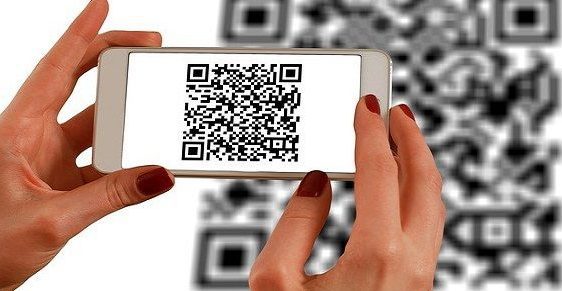

Did you know that QR codes are taking the marketing world by storm? They offer a unique way of quickly connecting consumers to online content. However, this growing popularity has also led to a major concern: QR codes can be manipulated by cybercriminals to spread malware.
Here are some of the sneaky ways in which cybercriminals can use QR codes:
So how can you protect yourself from these malicious attacks? Here are some precautions to take when scanning QR codes:
In conclusion, while QR codes offer a convenient way to access online content, they also come with inherent security risks that users should be aware of. By taking precautions and being vigilant when scanning QR codes, you can avoid falling prey to cybercriminals’ malicious schemes.
QR codes are vulnerable to cyber attacks
With the rise of digital technology, QR codes have become a popular tool for businesses to market their products and services. QR codes are simple to create, and they can be scanned using a smartphone camera to access web pages, promotional offers, and other digital content. However, the convenience of QR codes has also made them a prime target for cybercriminals.
Malicious URLs can be embedded into QR codes
One of the main security risks associated with QR codes is the ability for cybercriminals to embed malicious URLs into them. These URLs can lead users to phishing sites or download malware onto their devices without their knowledge or consent. Cybercriminals can create counterfeit QR codes and distribute them through various channels, such as print advertisements, posters, or even on physical products.
Any person who scans a QR code can be infected with malware
The risk of a cyber attack occurring through a QR code can happen to anyone who scans it. Whether it’s a curious consumer scanning a product’s barcode or an employee at a company event scanning a QR code for access to a presentation, everyone who scans a QR code is at risk of falling prey to a cyber attack. Once a malicious QR code is scanned, hackers can gain access to personal information on the user’s device, such as passwords, contacts, and location.
Opening a malicious URL can compromise your device’s security
It is essential to consider the consequences of opening a malicious URL before scanning a QR code, as it could compromise your device’s security. Malware can access personal data, steal sensitive information like credit card numbers or login credentials further exposing one’s financial security or leak confidential business information. It’s worth noting, there isn’t a way to immediately tell if a QR code is legitimate or if it’s a fake. Hackers go to great efforts to ensure their counterfeit QR codes look identical to what is expected.
Precautionary measures to protect yourself from QR code attacks
To protect yourself from QR code attacks, it’s important to take precautionary measures. Some recommended steps include:
– Only scan QR codes from trusted sources or authorized personnel
– Refrain from scanning any QR code that seems suspicious or out of place
– Invest in a mobile antivirus or an endpoint protection solution which would scan and flag any malicious attacks
– Keep all devices updated with the latest software patches to close any exploitable vulnerabilities in smartphones.
While these measures may not fully protect you, they can certainly help minimize the risk.
Educating individuals on the risks of scanning unknown QR codes
Educating people about the risks of scanning unknown QR codes is vital to mitigating the prevalence of cyber attacks using this vector. Many people are not aware of the risks and are unknowingly putting themselves at risk while scanning QR codes without thinking. Educating individuals can be done through the dissemination of information to keep users informed of the various types of attacks they may experience online.
Are QR codes worth the risk?
QR codes undoubtedly have their advantages, such as facilitating the provision of information, product entrants for marketing, and connectivity to other online resources; however, the risk they pose through cyber attacks should not be overlooked. It would be unwise to make scanning QR codes a way of life without carefully examining where you found it, and scanning QR codes only from trusted sources. As mobile device usage increases globally, these kinds of attacks are becoming even more common; thus, it is essential to proceed with caution when scanning QR codes.