Are you curious about the difference between URLs and QR codes? Well, hold on to your seats because here’s a list of key differences that will leave no doubts unanswered:
- Access: URLs can be accessed with a click or a tap while QR codes require a mobile device with a camera and a QR code reader app.
- Use: URLs are best used within the body of text on websites or messages, while QR codes are perfect for printed materials such as business cards, flyers, and posters.
- Speed: URLs are always faster to access because they only need a tap or a click, whereas QR codes require users to open an app and scan them.
- Information: URLs contain a broader range of information about the linked document or website, while QR codes usually offer basic information such as a web address.
- Engagement: QR codes require users to actively engage with the brand, making them more engaging to use. URLs, on the other hand, rely on passive clicking or tapping.
While URLs are excellent for providing quick access to websites or documents, QR codes can be a powerful tool for catching potential customers’ attention and encouraging them to engage actively with the brand. Whether you choose one or the other depends on your specific use case and audience.
Understanding URL: A Direct Link to a Document
URL stands for Uniform Resource Locator, and it is commonly known as a direct link to a specific document or web page. The URL function provides a simple way for users to access the information they need online. By clicking on a URL link, users are directed to a website, page or document. A URL link can be embedded within the text of an email or SMS, or it can be pasted into a web browser.
The use of URL links have grown in popularity due to its simplicity and accuracy. With the rise of digital communication, URLs have made it much easier for users to navigate the web and access the information they need. URLs can also be customized to include keywords and phrases that are relevant to the content of the webpage, which makes it easier for search engines and users to locate relevant information.
The Functionality of URL vs QR Code
The difference between URL and QR code is in the way they deliver information. A URL is a direct link to a web page or document and is most effective when used on digital channels such as emails, SMS, and websites. On the other hand, QR codes are scannable images that contain information and are best used on print materials such as business cards, flyers, posters and product packaging.
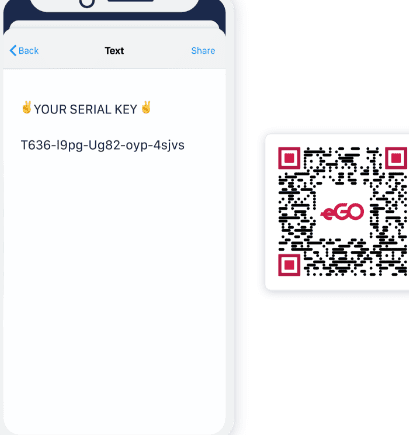
QR codes can contain various types of information such as contact details, website URLs, product information, and event details. Once scanned, the information contained in the code is readily available to the user.
URL and QR codes offer different functionalities and are best used in specific contexts. For example, URLs are efficient for sharing information online and provide direct access to resources on the web. On the other hand, QR codes are convenient for displaying information offline in a scannable format.
QR Code: An Introduction
QR codes, or Quick Response codes, are two-dimensional codes that were invented by a Japanese automotive company in 1994. The code was designed to track automobile parts and later evolved to allow for information sharing. QR codes are gaining popularity in marketing and advertising, where they are used to deliver information to consumers in a quick and convenient way.
QR codes can store over 7,000 characters of information and can be scanned using smartphones and other mobile devices. They are a powerful tool for advertising as they allow marketers to engage customers in new and interactive ways.
Scanning QR Codes: A Mobile Device Requirement
One of the benefits of QR codes is that they can be easily scanned using a mobile device equipped with a camera. Devices with QR code reading capabilities include smartphones, tablets, and laptops, which makes it accessible for most modern-day devices. By scanning a QR code using a mobile device, users can access various types of information effortlessly.
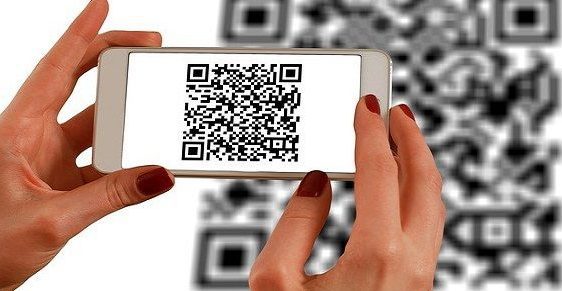
To scan a QR code, you will need a QR code scanner application installed on your mobile device. Once you download the QR code scanner app, you can open it and point your device’s camera at the QR code. The app will scan and interpret the code, and the information contained will appear on your screen.
Best Practices: When to Use URL and QR Code
When deciding whether to use a URL or QR code, it is crucial to consider the context in which the information will be shared. Below are some best practices for using URLs and QR codes effectively:
Using URL in Emails, Websites and SMS:
- Use URLs for sharing information online such as email communication, SMS, and websites.
- Ensure that links are relevant and straightforward to understand.
- Use shorteners to reduce the length of the URL if necessary.
QR Codes for Print Materials: Business Cards and Beyond:
- Use QR codes on printed materials such as business cards, flyers, and product packaging to provide additional information about your brand or product.
- Ensure that QR codes are clear and easy to scan. Avoid using them on textured, glossy or reflective surfaces.
- Provide instructions on how to scan the QR code.
Conclusion
URLs and QR codes are two powerful tools that can be used to deliver information to customers in different contexts. URLs are effective for sharing information online and provide direct access to websites and documents. QR codes, on the other hand, are convenient for displaying information offline in a scannable format. By following best practices, marketers and businesses can leverage these tools to their advantage and provide their customers with a seamless experience.