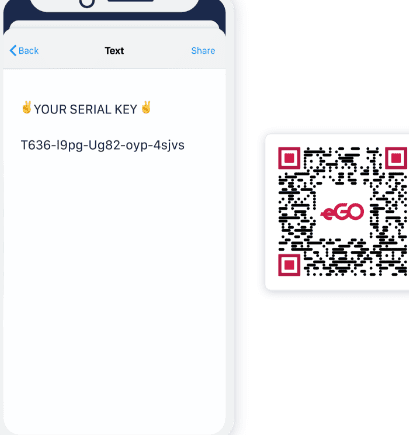

Did you know that scanning a QR code can give you more information than just a website link? QR codes can store different types of information depending on what the creator intended. Here are some common examples:
Remember to use QR codes with purpose and strategy. Simply placing a QR code on a marketing flyer without explanation is unlikely to generate engagement or interest. Make it valuable and worth the user’s effort to scan it!
Understanding QR Codes: What You Need to Know.
QR codes have become a common sight in our daily lives. They are in advertisements, magazines, business cards, and even on food packaging. A QR code is a two-dimensional barcode that stores data in a square pattern. It was first invented in Japan in 1994 by Denso Wave, a subsidiary of Toyota, and has since become a ubiquitous technology around the world.
Overview of QR Codes and Their Use in Everyday Life.
QR codes have revolutionized the way we access information. They are used in everyday life in numerous ways, including advertising, business, education, and social media. Businesses use QR codes to share product information, coupons, and promotions with their customers. In education, QR codes are used to give students quick access to learning resources. Social media platforms like Snapchat, Instagram, and Twitter use QR codes to connect users with each other.
How QR Codes Work: Technical Aspects Explained.
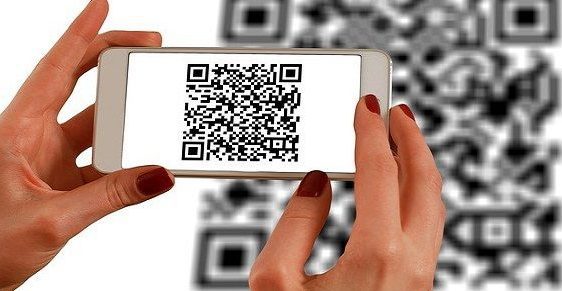
QR codes work by encoding data in a two-dimensional pattern of squares. The pattern is read by a QR code reader, which can be a special app on a smartphone or a device specifically designed to read QR codes. The pattern of squares contains information such as URLs, phone numbers, or other data. The reader decodes the information and takes the user to the intended destination.
What Information is Collected When You Scan a QR Code?
When you scan a QR code, various information may be collected depending on the type of code. Some of the data that can be stored in QR codes includes URLs to websites, phone numbers, email addresses, product information, and even bank account information. However, it is important to note that QR codes can also be used for malicious purposes, so users should only scan codes from trusted sources.
Internet Links, Phone Numbers, and Other Data Stored in QR Codes.
QR codes are versatile and can store an array of information, from simple text to entire websites. Here are some common types of data that can be stored in QR codes:
Internet links: QR codes can store URLs to websites, which can be easily accessed by scanning the code using a smartphone app.
Phone numbers: QR codes can contain phone numbers, which can be directly dialed by scanning the code.
Email addresses: QR codes can store email addresses, which can be used to send an email by scanning the code.
Product information: QR codes can store product information, such as ingredients, nutrition information, and manufacturing information.
Bank account information: QR codes can store bank account information for mobile payments and other financial transactions.
QR Codes for App Downloads: How to Access Apps from Google Play and Apple App Store.
QR codes can also be used for downloading apps. If you see a QR code that links to an app, simply scan the code using a smartphone app like QR Code Reader. The app will take you to the app store where you can download the app directly. This feature is particularly useful for businesses and developers who want to promote their apps using QR codes.
Enhancing Your Marketing Strategy with QR Codes.
QR codes can be a valuable tool in marketing. They can be used to increase engagement with customers, promote products, and enhance the customer experience. Here are some tips for using QR codes in your marketing strategy:
Offer discounts: Encourage customers to scan your QR code by offering a discount code or coupon.
Product information: Use QR codes to provide customers with additional information about your products, such as ingredients or reviews.
Social media links: QR codes can be used to connect customers with your social media profiles, encouraging engagement and brand loyalty.
Event registration: Use QR codes for event registration, ticketing, or to provide relevant information about ongoing events.
In conclusion, QR codes have become an essential tool in our daily lives. They offer endless possibilities for businesses, marketers, and consumers alike. Whether you are using QR codes for app downloads, marketing, or education, understanding the technical aspects and potential capabilities of QR codes can give you a competitive edge in a world increasingly reliant on technology.