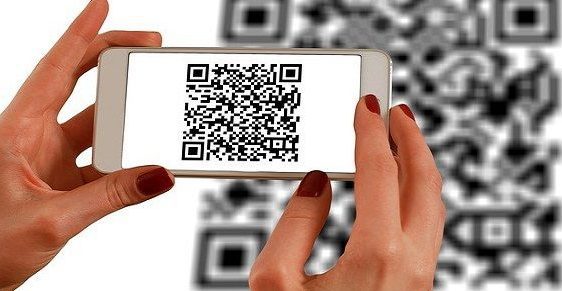

QR codes have become ubiquitous in our daily lives, providing us with easy and quick access to information. However, there are potential security risks associated with scanning these codes. Malware attacks, social engineering attacks, code vulnerabilities, and unintended actions are just a few examples of possible risks.
To protect yourself from these hazards, it’s crucial to take some steps. First, use only a reliable QR code scanner. Second, avoid scanning codes from unknown sources. Lastly, be cautious about giving access to your device through QR codes, especially when it’s not clear what the code is directing your device to do. Staying vigilant and informed is key to safely enjoying the benefits of QR technology.
The risks of scanning QR codes
QR codes are everywhere – on posters, flyers, menus, and product packaging. With the increased use of smartphones, scanning QR codes has become a common practice. But did you know that scanning a QR code can be a security risk? Scammers use QR codes to trick people into downloading malicious software onto their devices. This can put your personal data at risk.
How QR codes can trigger automatic actions
QR codes are designed to trigger automatic actions when scanned. For example, they can launch a website, play a video, or connect to a Wi-Fi network. However, scammers can use this functionality to trick people into doing something they wouldn’t normally do. A QR code could be used to download an app from a fake site, steal your personal information, or even take over your device.
Tip: Be cautious when scanning QR codes from unknown sources.
Malware attacks through QR codes
Scanning a QR code can also lead to a malware attack. Malware is any type of software designed to cause harm to a device, network, or service. When you scan a QR code, the code could be linked to a malicious website where the malware is hosted. Once downloaded onto your device, the malware can steal your personal information, display unwanted ads, or even take control of your device.
Risks of downloading from fake sites
One way scammers use QR codes to trick people is by creating fake sites. When you scan the QR code, it takes you to a website that looks legitimate but is actually fake. The site may ask you to download an app or enter your personal information. Once you do, the scammers have what they need to steal your data, money, or identity.
Tip: Always verify the source of the QR code before scanning it.
Preventing malware attacks from QR codes
There are a few things you can do to prevent malware attacks from QR codes. Firstly, verify the source of the QR code before scanning it. If the code is from a trusted source, such as a reputable company or organization, it’s probably safe to scan. If the code is from an unknown source, be cautious.
Tip: Install a reputable antivirus and antimalware software on your device.
QR code security measures
To prevent scammers from using QR codes to deliver malware or trick people into visiting fake sites, some security measures have been implemented. Some apps, for example, show a preview of the URL and the title of the web page before you scan the QR code. This lets you see where the QR code will take you before you click on it.
Tip: Keep your device and apps up to date to ensure you have the latest security measures in place.
Safely scanning QR codes
While scanning QR codes can be risky, there are ways to do it safely. Firstly, only scan codes from trusted sources. Secondly, use a QR code scanner app that shows a preview of the URL and the title of the web page. Finally, be cautious when downloading anything from the internet.
Tip: Use a separate device, such as a tablet or a laptop, for online banking and other sensitive activities.
QR code scanning best practices
Here are some best practices for scanning QR codes:
- Only scan codes from trusted sources
- Use a QR code scanner app that shows a preview of the URL and the title of the web page
- Be cautious when downloading anything from the internet
- Use a separate device for online banking and other sensitive activities
- Install a reputable antivirus and antimalware software on your device
- Keep your device and apps up to date to ensure you have the latest security measures in place
Tip: Stay informed about the latest scams and malware threats by following reputable tech news sites.
In conclusion, scanning QR codes can be a security risk if not done safely. By following the best practices and taking the necessary precautions, you can enjoy the convenience of QR codes without putting your personal data at risk.