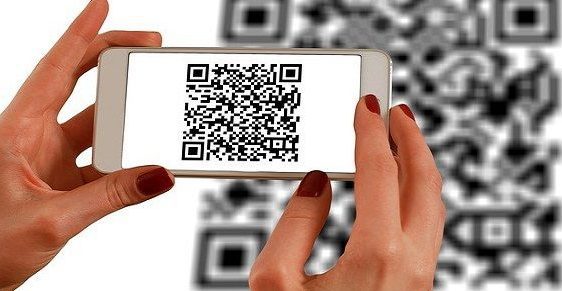

QR codes – they’re found all around us, on posters, flyers, and billboards, and they can be incredibly convenient when you need to quickly access information. But did you know that attackers can use QR codes to execute malicious software on your mobile device? It’s true, and here are some important points to keep in mind when scanning these codes:
Ultimately, the convenience of QR codes shouldn’t come at the expense of your security. By staying vigilant and following these simple tips, you can ensure that your personal and financial information remains safe.
The Risks of Scanning QR Codes
Quick Response codes or commonly known as QR codes are two-dimensional codes that store data and can be easily scanned by mobile devices to retrieve information. Over the years, QR codes have become popular among businesses, advertisers, and marketers as a means of promoting their products and services. However, despite the convenience and ease of use offered by QR codes, there are risks associated with scanning them.
Malicious URLs in QR Codes
One of the main risks of scanning QR codes is the possibility of malicious URLs being embedded in the code. Attackers can create customized malware that can be inserted into the QR code, and when scanned, the malware can infect the user’s device. This can lead to severe data breaches or even a complete loss of sensitive information.
It is essential to be cautious when scanning QR codes from unknown sources. Stick to trusted sources, and be alert to any suspicious QR codes or unusual information that seems out of place.
Customized Malware Threats
The potential for customized malware threats also increase as the volume of QR code scans rises. Once the malware is installed in your device, it can be used to track your online activity, collect valuable personal and financial information and even open doors to other malicious attacks like ransomware.
For instance, once an attacker gains control, any security-minded effort to clear the malware would fail.
Information Transfer from Mobile Devices
Moreover, the transfer of data between mobile devices can occur naturally by scanning a QR code. Hackers can exploit the simplicity of the scanning process by creating fake QR codes that look like legitimate ones. Therefore, when a user scans a fake QR code, the attacker gains access to the device, which can lead to identity theft and financial loss.
It is crucial to make sure that your device is updated with the latest security patches and anti-virus software. Do not assume QR codes are legitimate or trustworthy, and do not give out sensitive information by scanning them.
QR Codes and the Threat of Phishing
Another significant risk associated with QR codes is the threat of phishing. Phishing refers to the practice of luring individuals to provide sensitive information by posing as a trusted entity. Attackers can create fake QR codes that lead to websites that look real and ask users to provide personal information.
It is advisable to inspect the website carefully and verify its legitimacy before providing any personal information. One other thing you should look out for when validating a website is if the website has an SSL encryption which ensures secure communication over the internet.
Revealing Personal Information through QR Codes
QR codes can also be problematic when it comes to revealing personal information. Scanning a QR code could redirect individuals to a website that collects personal data, including email addresses, phone numbers, and passwords. In some cases, the user unwittingly signs up for a paid subscription, allowing hackers to collect sensitive information, or to install malware on the device.
Be careful what you are agreeing to by scanning a QR code, especially when it comes to providing personal information for loyalty points, discounts, and other incentives.
Protecting Yourself Against QR Code Attacks
To protect against QR code attacks, there are some measures that you can put in place. Here are a few suggestions:
Conclusion
Scanning QR codes offers convenience and quick access to information. However, with convenience comes the risk of attacks that can lead to data breaches, identity theft, and financial loss. The best way to protect against QR code attacks is to stay alert and practice caution when scanning them. By taking the necessary precautions, we can enjoy the benefits of QR codes while keeping our devices and information safe.