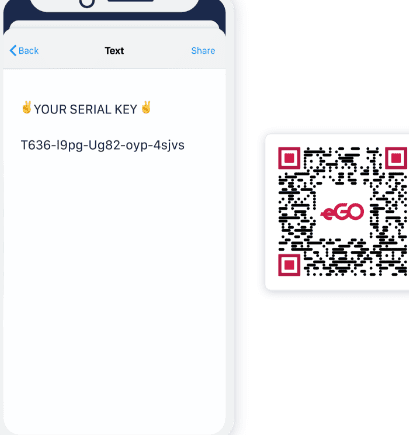

Hey there, let’s get one thing straight: a QR code is not just a fancy URL. Sure, it can contain a web address, but that’s just the tip of the iceberg. QR codes can hold all sorts of digital information, from contact details to video links. And they can store up to 3,000 characters, while URLs are typically limited to 2,000. Here are some key differences between the two:
So, whether you’re promoting your business using a URL or QR code, remember that they have different strengths and limitations. Get the most out of each by understanding what they can do for you.
Understanding QR codes
QR codes are becoming increasingly popular in the world of technology and advertising. But what exactly are they? QR code stands for Quick Response code. It is a two-dimensional barcode that can be read using a smartphone or a QR code reader. The QR code contains information such as text, website URL, email address, and much more. They are often used in advertising and marketing for promotional purposes, and they can also be found on business cards, brochures, and product packaging.
How QR codes work
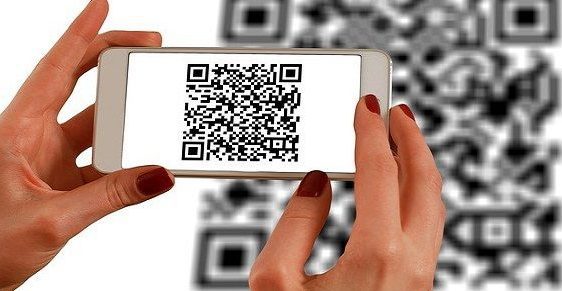
QR codes work by using a specialized scanner or smartphone camera to read the code. When you scan the QR code, it will direct you to a website, display a message, or provide other information. The scanner or camera reads the code by detecting the different patterns of black and white squares that represent the information stored in the code.
What is a URL?
A URL stands for Uniform Resource Locator. It is the address of a website or a file on the Internet. A URL consists of several components, including the protocol (HTTP or HTTPS), the domain name, and the path. URLs are easily recognizable by their format, which typically starts with “www” or “http.” URLs are essential for accessing websites, and they can be typed manually into a browser or clicked on from a link.
Differences between QR codes and URLs
While a QR code may contain a URL, the two are not the same thing. Here are some of the main differences:
- QR codes are two-dimensional, while URLs are text-based.
- QR codes can store more information than URLs, such as text, email addresses, and phone numbers.
- QR codes can be scanned using a smartphone or QR code reader, while URLs are accessed by typing or clicking on a link.
One of the key benefits of using a QR code over a URL is the convenience factor. It is much quicker and easier to scan a code with a phone than to manually enter a long URL into a browser. Additionally, QR codes can be printed onto physical items and advertisements, making them a useful tool for companies and marketers.
Benefits of using QR codes
There are many advantages to using QR codes in advertising and marketing. Here are a few notable benefits:
- QR codes are an interactive way to engage with customers and provide them with additional information.
- They can be used to increase brand awareness and promote products or services.
- They provide a trackable way to monitor the success of marketing campaigns and ensure that they are reaching the target audience.
- QR codes can be used to collect data from customers, such as email addresses or demographic information.
QR codes in advertising
QR codes are becoming increasingly popular in advertising and marketing campaigns. They can be found on billboards, posters, business cards, and product packaging, among other things. When scanned, they can direct customers to a website, provide a discount code, or display more information about a product. QR codes are a convenient way to engage with customers and provide them with additional value.
Creating your own QR codes
Creating your own QR code is a straightforward process. There are many free and paid QR code generator tools available online. Simply enter the information that you want to include in the code, such as a website URL or product information, and the tool will generate a unique code for you. You can then download the code and use it in your advertising or marketing campaigns.
Future of QR code technology
As technology continues to advance, so too will QR codes. Already, there are new uses for QR codes beyond advertising and marketing. For example, they can be used to provide contactless payments or to track the spread of diseases. Additionally, newer generations of smartphones are incorporating QR code scanners into their cameras, making it even easier to scan codes. Overall, QR codes are a versatile and convenient tool that will likely continue to grow in popularity and use in the years to come.