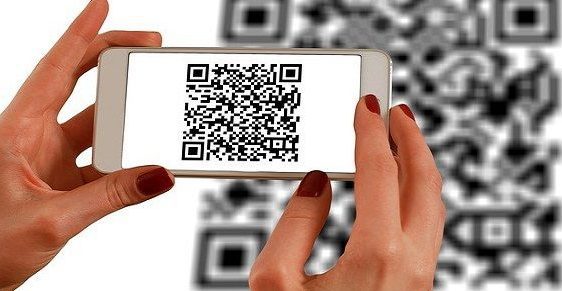

How small can a QR code really be? Well, the size matters when scanning! It’s crucial to bear in mind that the code should be large enough to be interpreted by modern devices. As of 2022, the minimum size for a QR code to be readable is a length and width of 2 centimeters. Here are some key points to help you choose the right size for your QR code:
Remember to keep in mind the minimum requirements for a successful scan – at least 2cm x 2cm in size. This will make sure that your QR code is readable and user-friendly.
The QR Code Minimum Size by 2022
The Importance of QR Code Size
QR codes have become an integral part of modern-day marketing strategies. They allow businesses to easily share information and connect with their customers through interactive and engaging content. However, the success of QR codes depends on their size and readability. If a QR code is too small, it may not be picked up by scanners, rendering it useless.
A QR code’s size is also important for design purposes. If the code is too small, it may not be visible to the customer, or it may not fit in the desired location.
Understanding QR Code Dimensions
QR codes are two-dimensional barcodes that can be scanned using a smartphone camera. They store information vertically and horizontally, making them capable of storing a significant amount of information.
QR codes do not have standard dimensions, which can make designing and scanning them tricky. However, the general rule of thumb is that QR codes must be at least 2 centimeters wide and 2 centimeters in length.
The Evolution of QR Code Technology
QR codes were first created in 1994 by Denso Wave, a Japanese automotive company. They were initially used to track and manage inventory but have since evolved into a powerful marketing tool.
QR code technology has also advanced significantly since their creation. They can now store more information, and QR code scanners can decipher codes more accurately and quickly.
QR Code Minimum Size Requirements
According to industry standards, QR codes must be at least 2 centimeters wide and 2 centimeters in length to be read by the majority of modern devices. Anything smaller than this may not be picked up by scanners, rendering it useless.
Looking ahead to 2022, the minimum size requirements for QR codes are expected to remain the same. This means that any QR codes smaller than 2 centimeters may be unreadable by most modern devices.
To ensure the success and readability of QR codes, it is important to design them with the minimum size requirements in mind. This will ensure that customers can easily scan and engage with your content.
How Scanning Works with QR Codes
- QR codes are scanned using a smartphone camera and a QR code scanner app.
- The scanner reads the code’s data matrix, which is comprised of black and white squares.
- The scanner then deciphers the code’s information and displays it on the user’s device.
The Future of QR Code Technology
As technology continues to advance, QR codes are expected to become even more powerful marketing tools. They may become even more interactive and engage with customers on a deeper level.
QR codes may also become even more user-friendly, allowing customers to engage with them without the need for a scanner app.
Best Practices for Designing QR Codes
- Ensure your QR code is at least 2 centimeters wide and 2 centimeters in length.
- Choose the right location for your QR code – make sure it is easily visible and scannable.
- Keep the design simple – avoid incorporating too many graphics or text in the code itself.
- Test your QR code before printing or publishing it to ensure it is easily scannable.