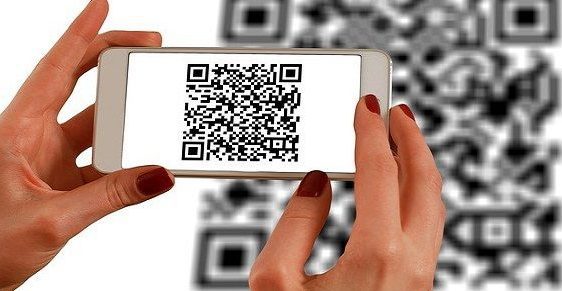
QR codes are a modern marvel that make information sharing a breeze. But have you ever wondered how far away you can get from a code and still have it scan successfully? The answer lies in the size of the code and its distance from the scanner. The magic ratio is 10:1, with a 1-meter (3.2 feet) code being scannable from 10 meters (32 feet) away. Why is this? Well, a larger code is easier for scanners to recognize even from afar, while a small or pixelated code can be unreadable. That’s why testing your setup before displaying your QR code to a large audience is essential. So, whether you’re placing a QR code on a billboard or signage at a sporting event, always make sure it’s readable by following these simple guidelines.
The Science Behind QR Code Distance
QR codes, also known as Quick Response codes, have gained significant popularity in recent years. They are widely used in advertising, marketing, and communication industries. However, one of the most significant challenges with QR codes is their readability from a distance, which is directly related to the size of the code and the scanner. The distance at which a QR code can be scanned depends on various factors, including the size of the code, the scanner’s size, and the location of the code.
Recommended QR Code Sizes for Different Distances
The distance at which a QR code can be scanned is determined by the size of the code. The bigger the code, the easier it is for the scanner to recognize it, even from a distance. The ideal size for a QR code depends on the distance at which it will be scanned. If a code is ten times the size of the scanner, it will be easily read from a distance of up to ten times its width. Therefore, a code that is 1m (3.2 feet) wide and tall will scan easily from a distance of 10m (32 feet) away.
To ensure that the code is readable, it is advisable to use a resolution of at least 300dpi or higher when creating the code. The resolution determines the clarity and distinction of the different modules on the code. A high-resolution code is more accurate, can be bigger, and can be scanned from a distance.
The Ideal Scanner Size for Distance
The size of the scanner also affects the distance at which a QR code can be scanned. The optimal scanner size for distance is ten times smaller than the code it is scanning. For instance, if the code is 1m (3.2 feet) wide and tall, the ideal scanner size would be 10cm (3.9 inches) or smaller. A small scanner size allows for a more focused scan, increasing the likelihood of a successful scan from a distance.
Factors That Affect QR Code Readability from a Distance
Several factors affect the readability of a QR code from a distance, apart from the size of the code and scanner. These factors include:
- Angle: Scanning a code from an angle makes it difficult to read. Codes are easier to scan from straight in front of them.
- Location: The location of the code affects its readability. Well-lit codes are easier to scan than those in poor lighting conditions.
- Size of Bounded Zone: An adequate amount of space around the QR code makes it easier to scan from a distance.
Making QR Codes Readable from a Distance
To ensure that a QR code is readable from a distance, there are many ways to make it more accessible, including:
- Ensuring that the code is big enough to be scanned from a distance of at least ten times its width.
- Increasing the resolution of the QR code.
- Using high-contrast colours to make the code easier to scan.
- Adding a logo or text to the code can make it more attractive, interesting and improves visibility.
Strategic Placement of QR Codes
A crucial factor in ensuring that QR codes are readable from a distance is their strategic placement. This should be taken into account when designing codes to optimize their scanning distances. The QR codes should be placed in well-lit areas with a clear line of sight. They should also be placed towards the direction of the viewers’ line of sight, making it easier for scanners to scan them.
Enhancing QR Code Scanning Distance with Technology
Technological advancements have significantly improved QR code scanning distance. Using high-tech scanners allows for codes to be recognized from longer distances, without sacrificing performance. Newer devices use algorithms to optimize scanning distance, as well as the angle from which the code is scanned. With the wider adoption and use of QR codes, it’s essential to use up-to-date and high-tech QR scanners to get the best scanning experience.
In conclusion, QR code distance is directly related to their size and the scanner used to read them. An ideal size for a QR code to be recognized from a distance is one meter (3.2 feet) tall and wide, and the scanner should be ten times smaller than the size of the code. Other factors such as angle, location, and size of the bounded zone affect QR code readability from a distance. Strategic placement, coupled with high-tech QR scanners, can significantly improve the distance at which QR codes can be read.