
QR code authentication is a secure and efficient way to authenticate individuals without the need for traditional methods like passwords or ID cards. Here’s how it works:
In summary, QR code authentication is a secure, efficient, and cost-effective way to authenticate individuals, providing an enhanced level of security and compliance.
Introduction to QR code authentication
QR code authentication is a modern and innovative authentication method that is increasingly being used in various industries such as banking, online shopping, and security systems. This authentication method is effective and convenient because it is contactless, eliminates the need for additional hardware, and is easily accessible through a smartphone or computer. With QR code authentication, users can easily and securely access sensitive information, make payments, and carry out other high-risk transactions.
Understanding the basics of QR codes
QR codes are two-dimensional barcodes that contain data in the form of black and white squares arranged in a specific pattern. These codes can be scanned by a camera on a smartphone or computer, providing a quick and easy way to access the encoded data. QR codes can contain different types of data such as website links, text messages, email addresses, and other multimedia content.
The role of QR codes in contactless authentication
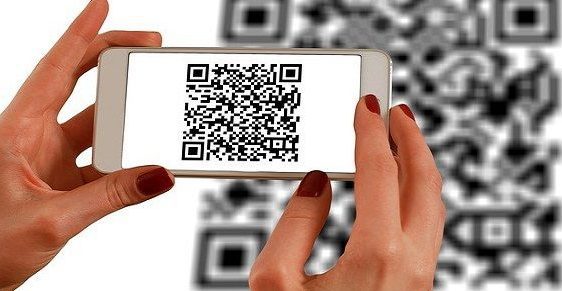
In QR code authentication, the user’s identity is stored in a QR code on a badge or card. This badge then acts as an electronic contactless card that can be scanned by the internal camera on a computer or smartphone. The device’s camera reads the QR code, and the authentication system confirms the user’s identity, allowing access to the secured information or transaction. Unlike traditional card readers, which require physical contact with the card, QR code authentication is contactless, making it more convenient and secure.
Here are some important points to note about the role of QR codes in contactless authentication:
- QR codes ensure fast and efficient authentication without compromising security
- QR codes are a contactless solution, reducing the risk of spreading germs and viruses
- QR code authentication eliminates the need for additional hardware like card readers
Benefits of QR code authentication
QR code authentication offers various benefits that make it an ideal authentication method for different industries. Here are some of the benefits of QR code authentication:
Easy to use: QR code authentication requires no specialized skills or knowledge to use, making it easy to use for anyone with a smartphone or computer.
Quick and efficient: QR code authentication is faster than traditional authentication methods, enabling users to carry out various high-risk transactions quickly and efficiently.
Secure: QR code authentication is highly secure, with the QR code acting as an electronic contactless card that eliminates the need for physical contact with the user’s personal device.
Cost-effective: QR code authentication eliminates the need for additional hardware, software, or personnel, reducing the overall operating costs for businesses and organizations.
How to use QR code authentication
QR code authentication is effortless and straightforward to use. Here are the steps to follow when using QR code authentication:
Step 1: Open the QR code scanning app on your smartphone or computer.
Step 2: Position the camera over the QR code on the badge or card.
Step 3: The QR code scanning app will detect the QR code on the badge, and the authentication system will confirm the user’s identity.
Step 4: Access the secured information or carry out the high-risk transaction once your identity is verified.
Security features of QR code authentication
QR code authentication is highly secure and incorporates various security features to prevent unauthorized access to sensitive information or transactions. Here are some of the security features of QR code authentication:
Encryption: QR code authentication uses encryption technologies to ensure that the transmitted information is secure and cannot be intercepted by unauthorized individuals.
Dynamic QR Codes: Dynamic QR codes change regularly, and each code can only be used once, making it highly secure against fraud or impersonation.
Two-factor authentication: Some QR code authentication platforms incorporate two-factor authentication, making it even more secure by requiring a second form of authentication in addition to the QR code.
Limitations of QR code authentication
Although QR code authentication has various benefits, it also has some limitations. Here are some of the limitations of QR code authentication:
Reliance on technology: QR code authentication is dependent on technology, which can sometimes fail, causing delays or disruption in the authentication process.
Security concerns: QR code authentication can be vulnerable to cyber-attacks and fraud, especially if the user’s personal device is not secure.
Compatibility issues: Some older devices may not be compatible with QR code authentication, limiting the user base for this authentication method.
Conclusion
QR code authentication is a modern and innovative authentication method that provides a fast, efficient, and secure way of accessing sensitive information or carrying out high-risk transactions. With no need for additional hardware, QR code authentication is cost-effective and convenient, making it an ideal authentication method for different industries. However, like any other authentication method, QR code authentication has its limitations, and users should consider these before using this authentication method.