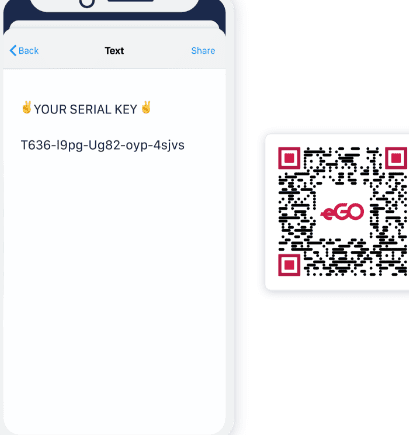

QR codes aren’t just for directing users to URLs. Get ready to expand your QR code horizons! These codes can be used for a variety of purposes. Here are some examples of non-URL QR codes:
And here’s the best part: Unlike traditional URLs, QR codes don’t always require an internet connection! While QR codes that lead to websites do require a connection, offline methods can be used for other uses of QR codes. So get creative and start incorporating QR codes into your business or personal life!
QR Codes Are Not Limited to URLs
When people think of QR codes, they often associate them with URLs – and for good reason. QR codes were originally created to make it easier for people to access websites and other online content. However, QR codes are so much more than just a way to access URLs. In fact, QR codes can be used to store and share all sorts of information, from contact details and event information to product data and payment instructions.
One of the great advantages of using QR codes is that they can hold much more information than traditional barcode technology. This flexibility means that QR codes can be used in a variety of different ways, such as inventory management, asset tracking, and even marketing campaigns.
No Internet Connection Required to Scan QR Codes
Another misconception about QR codes is that they require an internet connection to be scanned. However, this is not true. QR codes are designed to be read by smartphones and other mobile devices using a built-in camera and QR code scanning app. This means that you can scan QR codes even if you are offline or do not have an active internet connection.
This is particularly useful in situations where internet connectivity is limited or non-existent, such as in remote locations or on public transport. Offline QR code scanning can also be used in areas with poor mobile coverage, allowing people to still access important information without a reliable internet connection.
How QR Codes Can Be Scanned Without the Internet
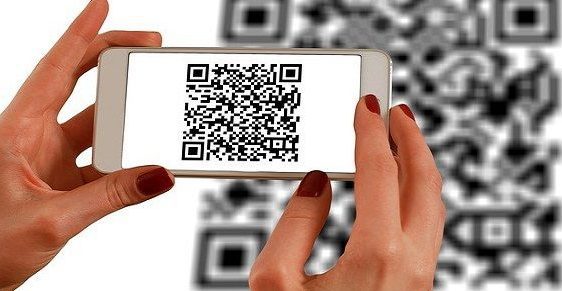
So how can QR codes be scanned without an internet connection? QR codes work by using a series of black and white squares, which represent the data stored within the code. When a user scans the QR code, their phone’s camera reads these squares and converts them into data that can be read by the scanning app.
Some QR code scanning apps are designed to work offline, meaning that they do not require an internet connection to scan and interpret the code. These apps use built-in tools to process the data, making it possible to scan QR codes without internet connectivity.
QR Code Types: URL vs. Non-URL
As mentioned earlier, QR codes can be used to store different types of information. One of the most common types of QR code is the URL QR code, which directs users to a specific webpage or online resource.
Non-URL QR codes, on the other hand, can store a broader range of data, such as contact details, event information, and product data. These codes do not require an internet connection to be scanned, as the data is stored directly within the code.
Understanding URL QR Codes
URL QR codes are a popular choice for marketers and business owners, as they provide a quick and easy way for customers to access websites and online content. However, it is important to note that accessing the information contained within a URL QR code requires an internet connection.
For example, if a QR code is included in a print advertisement, users will need an internet connection to access the webpage or online content the code directs them towards. Without internet connectivity, the QR code cannot provide the intended user experience.
Accessing URLs on QR Codes Requires Internet Connection
To reiterate, accessing URLs stored within QR codes requires an active internet connection. This means that if you are in an area without internet connectivity, you will not be able to access the website or online content the URL QR code directs you to.
That being said, some newer QR code scanning apps are designed to cache the content of scanned QR codes for later viewing. This means that users can scan a QR code with an active internet connection, and then view the content later when they are offline.
QR Codes as Information Containers
As mentioned earlier, QR codes can be used to store a variety of different types of information. Whether you want to share contact information, event details, or product data, QR codes provide a flexible and customizable solution for storing and sharing information on-the-go.
In addition to their versatility, QR codes are also incredibly easy to create and use. All you need is a QR code generator and a mobile device with a camera and QR code scanning app.
Benefits of Offline QR Code Scanning
One of the biggest benefits of offline QR code scanning is increased accessibility. By allowing users to access information without an internet connection, QR codes provide a flexible and convenient solution for sharing information on-the-go.
Offline QR code scanning can also be used as a marketing tool in areas with limited internet connectivity. For example, if you are attending a tradeshow or exhibition in a location with poor mobile coverage, you can use QR codes to provide product information, contact details, and other important information to attendees.
In conclusion, QR codes are much more than just a way to access URLs. These versatile information containers can be used to store and share all sorts of data, from contact information to payment instructions. And while accessing URLs stored within QR codes requires an active internet connection, offline QR code scanning provides a flexible and accessible solution for sharing information on-the-go. So, next time you see a QR code, take a closer look – you might be surprised by what you find!