
If you’re worried that QR codes are secretly gathering your personal information, rest assured that this is not the case. These codes are simply a way to store and share information such as URLs, contact details, or other types of data. So, why are QR codes getting a bad rap? Let’s debunk some myths:
So, the next time you come across a QR code, take a deep breath and scan away. Then sit back and relax, knowing that there’s no need to worry about your personal data being collected.
What are QR codes?
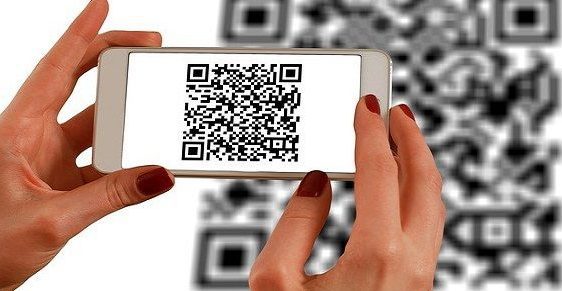
QR codes or Quick Response codes are two-dimensional barcodes that are increasingly being used by businesses as part of their marketing campaigns or for automating specific tasks. These codes can be read using a smartphone camera equipped with an appropriate QR code reader app, which quickly decodes the information encoded in the code, allowing users to access relevant information, such as product details, contact information or special offers.
Can QR codes collect personal information?
One of the biggest concerns that many people have about QR codes is whether or not they collect personal information. The truth is that QR codes themselves do not collect any personally identifiable information. Software that generates QR codes typically only collects a minimal amount of data, such as the URL of the website the QR code is pointing to.
However, it is essential to note that in some cases, the websites that QR codes lead to may collect user information, but this is entirely unrelated to the QR codes themselves, and is governed by the website’s privacy policies. So, the answer is essentially that while QR codes themselves do not gather personal information, it is still important to be cautious while scanning them to ensure that the websites they lead to are safe.
How do QR codes work?
QR codes work by encoding information such as text, URLs or contact details in a two-dimensional barcode. The information is then automatically parsed by a QR code reader app, which decodes and displays the information encoded in the code. QR codes are incredibly versatile and can be used for anything from providing access to downloadable content to making mobile payments.
QR Codes and data collection: The facts
It is important to understand that while QR codes themselves do not collect any personal information, they can be a tool for data collection in some cases. For example, businesses may use QR codes to collect consumer demographic data, such as zip codes or email addresses, as part of a marketing campaign. However, this requires a separate mechanism to collect the data, which is typically done through a landing page or form hosted on a specific website.
Key point:In other words, it isn’t the QR code itself that collects the data, but rather the website or form that the QR code links to.
Understanding the difference between QR code generators and data collection software
It’s vital to distinguish between QR code generators, which create QR codes to point to specific information or websites, and the data collection software that some businesses may use alongside QR codes as part of their marketing strategy.
QR code generators are software tools that allow users to create their unique QR codes. These codes can then be scanned by the user’s device, which will then redirect them to the relevant website or product. QR code generators do not collect or store any personal information.
Data collection software, on the other hand, captures customer data that is entered into a website or form that the QR code is linked to. This software is often used in businesses to collect customer data for marketing purposes.
How to stay safe while scanning QR codes
Whenever you scan a QR code, you should ensure that you are doing so with a trusted device and a reputable QR code scanner app. In general, it is recommended that users only scan QR codes that they trust and avoid scanning codes that they are unsure of, especially if they are being asked to input any personal information or install any software.
It’s also a good idea to be wary of QR codes printed on posters or flyers that might be defaced or replaced with a code that leads to a malicious site. Users should also ensure that they have comprehensive anti-virus software installed on their devices to help prevent them from becoming infected with malware or viruses.
The future of QR codes and data privacy
The future of QR codes looks bright, as businesses continue to adopt them as a versatile tool for marketing and automation. As QR codes themselves do not collect personal data, they are unlikely to pose a significant risk to user privacy.
However, data collection performed via QR codes will continue to be a concern for privacy-conscious consumers. The challenge for businesses will be to be transparent and upfront about what data they are collecting and how they are using this data.
Are QR codes secure?
QR codes themselves are not secure, and any data collected will be subject to the security measures in place on the website or platform. However, many QR code generator tools now include some security measures, such as password protection or advanced encryption techniques, to help safeguard against unauthorized access.
Key point: It is essential to remember that QR codes are only as secure as the destination that they are pointing to. Therefore, it is essential to use common sense when scanning QR codes and only to scan codes that are from reputable sources.
In conclusion, while QR codes do not collect personal information because they themselves do not have that capability, they can be used as a tool for data collection. However, it is critical to differentiate between QR code generators and data collection software to understand the risks. Additionally, users should stay cautious and only scan codes from trusted sources and remain vigilant for any signs of suspicious activity.