Got a QR code that you’re thinking of covering with some tape? Think again! If you cover the code, you’re risking a failed or incorrect scan. Here are some points to consider why:
In conclusion, avoid taping over QR codes. Keep the code clean and unobstructed for a successful scan every time, making life simpler for you and your target audience.
Understanding QR codes and their usage
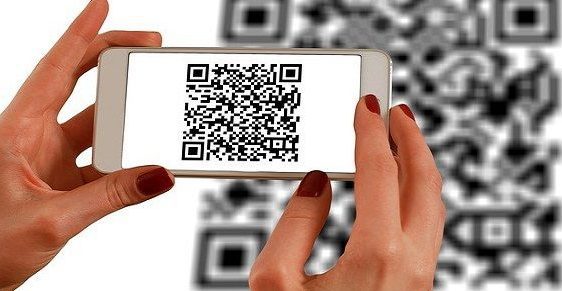
QR codes have become increasingly popular in recent years. These square-shaped codes are a type of two-dimensional barcode that can be scanned using a smartphone or QR code scanner. They can store large amounts of data, including website URLs, contact information, and text messages. Companies use QR codes as a way to provide quick and easy access to information for their customers. QR codes can be found on everything from product packaging to marketing materials to business cards.
Setup requirements for effective scanning of QR codes
QR codes work by using the camera on a smartphone or QR code scanner to read the code’s image. To be successful, it’s important that the QR code is set up correctly. The following factors can impact the effectiveness of scanning the QR code:
- The size of the QR code
- The placement of the QR code
- The contrast between the QR code and the background it’s printed on
- The angle of the QR code in relation to the camera
The impact of damage on QR code scanning
QR codes can become damaged through wear and tear or mishandling. When a QR code is damaged, it can hinder its ability to be scanned. Common forms of damage include:
- Scratches
- Cracks
- Wrinkles or folds
- Fading of the ink or color
The truth about putting tape over QR codes
Many people wonder if they can put tape over a QR code to protect it from damage. While it may seem like a good idea in theory, it is not recommended. Taping over the QR code can actually cause issues with scanning, as it can create reflections and distortions in the image. This can cause the scanner to fail, defeating the purpose of including the QR code in the first place.
The consequence of taping over the QR codes
Taping over a QR code can have serious consequences, especially in a business or marketing environment. If the QR code is printed on a promotional item, like a business card or flyer, and the scanner fails, potential customers may become frustrated and give up on attempting to access the information. This can result in lost leads, revenue, and brand trust.
When is it okay to tape over a QR code?
There may be some instances where taping over a QR code is acceptable. If the QR code is located in an area where it will be exposed to harsh conditions, like extreme weather or heavy handling, taping over it may be necessary to protect the code. In these cases, it’s important to use a clear, protective tape that won’t cause any distortions in the image.
How to protect QR codes from damage without taping over them
The best way to protect QR codes from damage is to ensure they are printed on a durable material that can resist wear and tear. Additionally, it’s important to consider the placement of the QR code. If it’s located in an area where it’s likely to be exposed to harsh conditions, consider using a protective covering, like a plastic sleeve or enclosure. Promoters should also consider testing the QR code before printing to assess its scanning capability. This can help to identify any potential issues and make adjustments before production.
Conclusion:
QR codes are an effective way to provide access to information quickly and easily, but they need to be set up correctly and protected from damage. Taping over QR codes is not recommended, as it can cause scanning issues that defeat the purpose of including the code in the first place. In cases where the QR code may be exposed to harsh conditions, it’s best to protect it with a clear covering or print it on a durable material that can withstand wear and tear. By taking these precautions, businesses and promoters can ensure their QR codes are effective and reliable tools for customers to access information.