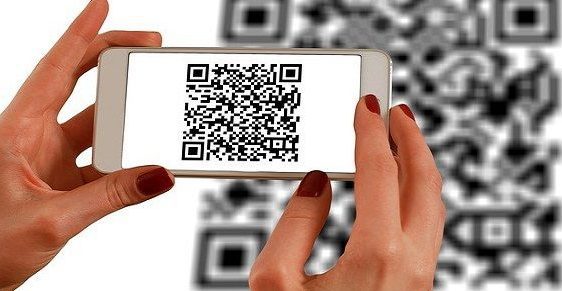

Did you know that any URL can be turned into a QR code? That means whether you’re running a business or just have a personal website, you can create a QR code to direct users straight to your online content. Check out some ways you can unleash the power of QR codes:
These versatile codes make it easy to promote and share your online presence. Don’t underestimate the power of QR codes!
Understanding QR codes and URLs
QR codes or quick response codes are two-dimensional barcodes that can be scanned and decoded using a smartphone with a camera and a QR code scanning app. These codes contain information in the form of alphanumeric characters, special characters, and/or symbols. URLs or uniform resource locators, on the other hand, are web addresses that link to specific web pages or online data resources.
Generating QR codes from URLs is a popular practice that enables users to create smart links between offline and online marketing channels. This means that by scanning a QR code, users can be redirected to a specific web page or online resource that contains more information about a product, service, or event.
Benefits of using QR Codes for URLs
QR codes provide numerous benefits to businesses, marketers, and consumers. Some notable benefits include:
- Cost-effective – QR codes can be generated and printed easily, requiring only a small space on print or digital materials such as flyers, business cards, brochures, posters, emails, or social media posts.
- Trackable – QR codes can be tracked using analytics tools that can provide insights into the number of scans, time of scan, location, and device type.
- Engaging – QR codes make it easy for consumers to interact with brands and products, leading to increased engagement and conversions.
- Easy to use – QR codes do not require any typing or manual data entry, making it easy for users to access online resources quickly.
QR code scanning applications
QR codes require a QR code scanning application to decode the information contained within the code. Several free and paid scanning applications are available for both iOS and Android devices. Some popular applications include:
- QR Scanner: Free Barcode Reader
- QR Code Reader & QR Scanner
- QR Code Reader by Scan
- Barcode Scanner
- QRbot: QR & barcode reader
Steps to generate a QR code from a URL
Generating a QR code from a URL is a simple process that can be done in a few steps:
- Select a QR code generator tool, such as QRCode Monkey, QR Code Generator, or Visualead.
- Enter the URL or web address of the web page or online data resource you want to link to the QR code.
- Customize the design and color scheme of the QR code to match your brand or marketing campaign (optional).
- Download the QR code in the desired file format (e.g., PNG, JPG, SVG) or embed it in digital or print materials.
Factors to consider when generating a QR code for a URL
There are several factors to consider when generating QR codes for URLs, including:
- Placement – QR codes should be placed in easy-to-find areas such as the front page of a brochure, business card, or poster.
- Size – QR codes should be large enough to be scanned easily using a smartphone camera, typically 1in x 1in square or larger.
- Design – QR codes can be customized to incorporate brand colors, logos, or images, but the code should remain scannable and recognizable as a QR code.
- Error correction level – QR codes have varying levels of error correction, meaning that they can still be read even if part of the code is damaged or obscured. Higher error correction levels increase the size of the QR code.
QR code URL best practices
To maximize the impact of QR codes linking to URLs, here are some best practices to follow:
- Include a clear call to action on the print or online materials to encourage users to scan the QR code.
- Test the QR code on multiple devices and scanners to ensure that it works correctly and quickly.
- Track and analyze scanning behavior to optimize campaigns and improve user engagement.
- Change the URL or redirect the QR code to a new web page or online resource if the original link changes or expires.
Different types of information embedded in QR codes
QR codes can contain various types of information beyond a URL, including:
- Contact information – QR codes can link to vCards or contact pages containing phone numbers, email addresses, or other business contact details.
- Virtual and augmented reality data – QR codes can link to VR or AR experiences or mobile apps that can be accessed via a smartphone.
- Product information – QR codes can provide details on product features, specifications, and usage instructions.
Limitations of QR codes as a marketing tool
Despite their many benefits, QR codes also have some limitations that can affect their effectiveness as a marketing tool. These include:
- Low QR code awareness – Not all users are familiar with QR codes, and some might not even have a QR code scanning app installed on their phone.
- Scan fatigue – Users might be hesitant to scan QR codes due to security concerns, the inability to scan codes quickly, or an overload of QR codes in a single campaign or activity.
- Poor targeting – QR codes do not target specific user segments, meaning that some users might not be interested in the link or offer provided by the code.
In conclusion, generating QR codes from URLs is a simple and cost-effective way to link offline and online marketing channels, increase user engagement, and track campaign performance. By following best practices and considering the factors listed above, businesses and marketers can maximize the impact of QR codes and provide consumers with a seamless and engaging user experience.