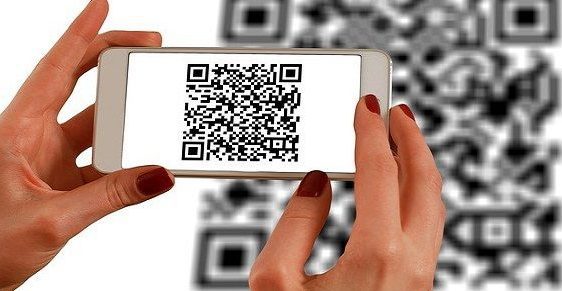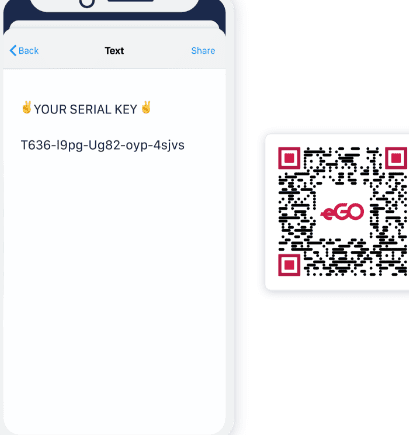

Want to quickly access information without needing an internet connection? Look no further than QR codes! Yes, you read that right – QR codes can be used without an internet connection. Here’s how:
With these options, you can easily access information even when you’re offline. So, go ahead and scan that code!
Can QR Codes Work Without Internet Connection?
QR Codes: A Brief Introduction
QR Codes or Quick Response Codes are two-dimensional barcodes that are read by smartphones or other QR code readers. They were created in 1994 by Japanese company Denso Wave as a way to track vehicles during the manufacturing process. Today, QR Codes are used for various purposes such as marketing, payments, and user authentication.
Understanding How QR Codes Work
QR Codes work by encoding information such as website URLs, text, or contact information into a pattern of black and white squares. The encoded information can then be read by a scanner through a smartphone’s camera or a QR code reader. Upon scanning, the code will execute the actions that are programmed into it.
The Common Misconception: Do QR Codes Need Internet?
One common misconception about QR Codes is that they require an internet connection to work. This assumption may have stemmed from the fact that most of the content accessed through QR Codes, particularly URLs, are web-based. However, the truth is that QR Codes can function even without an internet connection.
How QR Codes can Function Offline
QR Codes can store information locally on a device, such as a phone or a computer. In this case, the code does not require an internet connection to work. For instance, a QR Code can be used to store contact information, which can be scanned and saved on a phone’s contact list. The code can also store product information or user manuals, which can be accessed offline by scanning the code.
Scanning QR Codes without an Internet Connection
Scanning QR Codes offline can be done using a smartphone or a QR code reader that has been pre-downloaded onto the device. The scanner can read the code and execute the actions programmed into it, without accessing the internet. However, it is important to note that some QR Codes may require an internet connection to function properly. For example, a QR Code that leads to a website will require an internet connection to load the page.
Bold Text
Offline Uses of QR Codes for Marketers and Businesses
QR Codes can be used by marketers and businesses to provide customers with valuable content even in the absence of an internet connection. Below are some examples of offline uses of QR Codes:
- Product Information: QR Codes can be added to product labels to provide customers with more detailed information about the product, including ingredients, nutritional facts, and user manuals.
- Coupons and Discounts: QR Codes can be used to offer discounts and coupons to customers at physical stores.
- Menu Information: QR Codes can be used to display menus and wine lists at restaurants.
- Event Information: QR Codes can be used to provide event schedules, maps, and directions to attendees of conferences, trade shows, and other events.
Challenges to Consider When Using QR Codes Offline
While QR Codes can function offline, there are some challenges that marketers and businesses need to be aware of when using them in this way. These include:
- Compatibility: Not all smartphones have built-in QR code scanners. Some users may need to download a scanner app to read the code.
- Size: The size of the QR Code matters. The smaller the code, the harder it is to scan, especially in low-light settings.
- Placement: QR Codes need to be placed in easily accessible locations. For instance, adding a code to a product label located in the bottom of the package may make it difficult for customers to scan.
In conclusion, QR Codes can work without an internet connection as long as they store information locally on a device. This capability provides marketers and businesses with the opportunity to provide customers with valuable content even in the absence of an internet connection. However, some challenges need to be considered to ensure effective use of QR Codes offline.