Here’s the scoop on QR codes and phone numbers:
QR codes have been making waves for their ability to store and transmit information quickly and efficiently. But can they detect phone numbers? Sorry to burst your bubble, but the answer is no.
Why? For starters, QR codes are programmed to only transmit the information that they are specifically designed to hold. So unless a phone number has been encoded into the QR code, it cannot be detected.
Even if a phone number had been encoded into the QR code, the privacy concerns would still prevent it from being linked to a specific person. As a result, most businesses and organizations use QR codes to provide general information about their products or services, rather than personal details.
While there are other technologies that can trace and detect phone numbers, these usually require specific permissions or access to data, which isn’t typically provided through scanning a QR code.
So there you have it. QR codes are powerful tools for transmitting information, but detecting personal information like phone numbers isn’t their jam. Let’s keep personal privacy and security a top priority!
QR Codes and Their Functionality
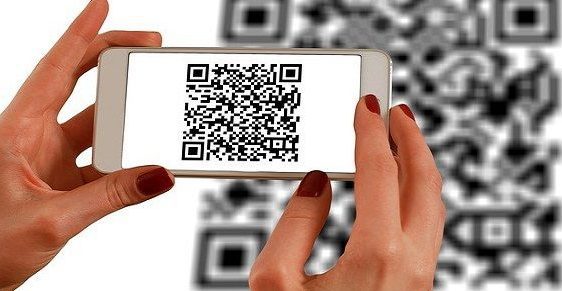
QR codes or Quick Response Codes are 2D barcodes that can be scanned using a smartphone or other capable devices. These codes are used to store and retrieve information quickly and easily. They were first introduced in Japan in the ’90s and have since become ubiquitous in marketing campaigns, ticketing systems, and product information.
One of the main advantages of QR codes is their ability to store a large amount of data compared to traditional barcodes. In addition, QR codes can be scanned from a greater distance and at various angles, making them user-friendly and visually appealing.
The Limitations of QR Codes
Despite their advantages, QR codes have some limitations that affect their functionality. One of the main limitations is that they need a smartphone or other capable device with a camera and a QR code scanning app. Without these, QR codes are virtually useless.
Another limitation of QR codes is that they are static codes, which means that once they are printed, their content cannot be changed. This means that if any mistake is made in the content within the code, it cannot be corrected unless another code is printed.
QR Codes and Security Concerns
As with any technological device, security concerns are always a possibility. QR codes are no exception. Hackers and scammers can create fake QR codes and distribute them in public spaces, leading individuals to phishing sites, downloading viruses, or sending sensitive information.
To prevent this kind of incident, many QR code generators now offer the option to implement password-protected encryption, linking to HTTPS sites, among other protective measures.
How Phone Numbers Are Stored in QR Codes
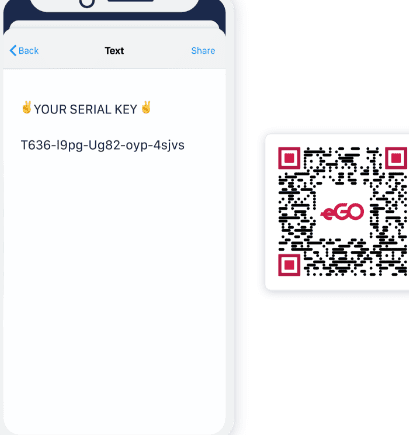
QR codes can store a variety of information types such as links, text, multimedia files, and even phone numbers. When a phone number is encoded into a QR code, it is converted into a string of alphanumeric characters that can be scanned and input into a phone’s dial pad.
Why Phone Numbers Cannot Be Detected Through QR Codes
Although phone numbers can be stored in QR codes, they cannot be detected through QR codes. This means that users cannot use QR codes to track the phone numbers of individuals, nor can they detect other information such as names or contacts stored in the address books.
The reason for this limitation is due to security concerns. QR codes were designed to be a quick and easy way to retrieve information without the need for personal identification. Therefore, it is impossible to trace the phone numbers or other personal information through QR codes scanning.
QR Codes vs. Other Scanning Technologies
QR codes are not the only scanning technology available. There are other technologies such as near-field communication (NFC) and radio frequency identification (RFID) that can be used to store and retrieve information.
One of the key differences between QR codes and other scanning technologies is their capabilities. QR codes are convenient for storing online information, such as website URLs, social media profiles, and email addresses. In comparison, NFC and RFID are better suited for tracking purposes and physical product information.
Best Practices for Using QR Codes in Marketing Campaigns
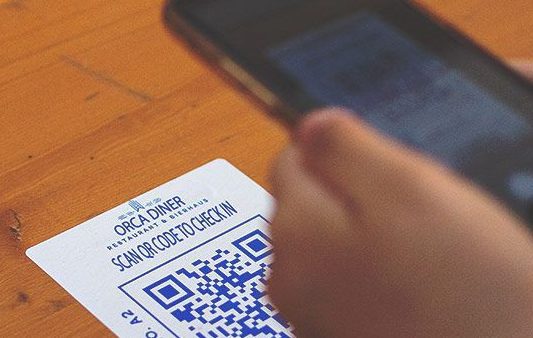
QR codes are excellent marketing tools. They can help increase brand awareness, provide product information, and offer direct links to purchase products or services. However, like any marketing tool, they need to be used effectively to ensure their success.
Here are some best practices to consider when using QR codes in marketing campaigns:
- Ensure that the QR code is scannable and clear to avoid errors.
- Provide an incentive or reward for scanning the code.
- Link the QR code to a mobile-friendly landing page or website.
- Use QR codes in areas with high foot traffic, such as billboards, posters, and business cards.
- Test the QR code before printing it in large quantities.
In conclusion, QR codes have become ubiquitous in marketing campaigns and ticketing systems, mainly due to their ease of use and ability to store large amounts of information. Although they have some limitations, such as requiring a smartphone or a similar device, they still offer an effective way to store and retrieve information. Moreover, they help companies promote their products and services, especially when used appropriately and with a clear strategy in mind.