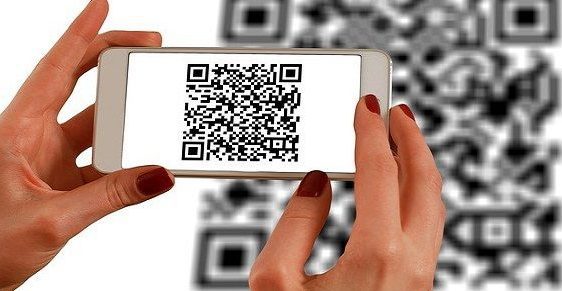

QR codes have become a popular way to share promotions and coupons with others. But just snapping a picture of the code with your phone and handing it over isn’t enough. To ensure that the other person can successfully scan and redeem the code, there are a few precautions you should take:
While snapping a picture of a QR code can be a convenient way to share promotions, remember that you are responsible for ensuring the code can be redeemed successfully. So, to avoid any confusion or disappointment, follow these tips and be careful when sharing QR codes with others.
Can I Take a Picture of a QR Code and Someone Else Scan it?
Understanding QR Codes and How They Work
QR codes, short for Quick Response codes, are two-dimensional barcodes that allow users to link to specific information by scanning them with a smartphone or scanning device. These codes often appear on advertisements, flyers, and product packaging, and can contain various types of information, such as links to websites, special promotions, and contact information. QR codes can help businesses and marketers reach their target audience quickly and efficiently, and they are becoming more popular as mobile device usage continues to grow.
QR codes work by using pattern recognition software that reads the code’s pixel pattern and generates a response based on the information encoded within it. Essentially, when a user scans a QR code, their smartphone or scanning device is interpreting the code and taking an action based on the information contained within it.
Taking a Clear Picture of the QR Code
If you want someone else to be able to scan a QR code that you have taken a picture of, it’s important to make sure that the picture is clear and in focus. Here are some tips for taking a clear picture of a QR code:
- Hold your camera steady and make sure the code is in the center of the frame.
- Avoid glare or reflections that could interfere with the code’s pattern recognition software.
- Ensure that the QR code is not distorted or cut off in any way.
- Check the lighting conditions to make sure the code is well-lit and easy to read.
Ensuring the QR Code is Easily Readable
In addition to taking a clear picture of the QR code, it’s important to make sure the code is easily readable to the person who will be scanning it. Here are some tips for ensuring the QR code is easily readable:
- Make sure the code is large enough to be easily scanned.
- Ensure that there is enough contrast between the color of the code and the background it is on.
- Avoid distorting the code by stretching or skewing it.
Who Can Scan a QR Code and Why It Matters
Anyone with a smartphone or scanning device can scan a QR code, which is why they are such a versatile tool for businesses and marketers. QR codes can be used to target specific audiences and provide a more personalized experience. For example, a clothing retailer might use a QR code to offer a discount to customers who scan the code in-store. By scanning the QR code, the customer would automatically be taken to a webpage with the coupon.
It’s important to remember, however, that unless you intend for the QR code to be publicly accessible, only authorized users should be scanning it. Sharing a QR code with someone who is not authorized could lead to unintended consequences, such as unauthorized access to sensitive information.
Common Mistakes to Avoid When Scanning a QR Code
Just as there are best practices for taking and creating QR codes, there are also best practices for scanning them. Here are some common mistakes to avoid:
- Scanning from too far away or at the wrong angle.
- Scanning in low light conditions.
- Conversely, scanning in bright sunlight which can cause glare.
- Using an outdated QR code scanner app. Make sure to download the latest version.
Risks Associated With Sharing QR Codes
Sharing QR codes with others can be a great tool for business and marketing purposes. But there are risks to consider. For example, if a QR code leads to a webpage or resource that is protected with a username and password, the QR code should only be shared with authorized users who have the appropriate credentials.
Also, be cautious when sharing QR codes with unknown individuals or through unsecured channels, as this can lead to unauthorized access to sensitive information or malicious attacks, such as phishing schemes.
The Importance of Protecting Sensitive Information on a QR Code
If you include sensitive information in a QR code, it’s crucial to ensure that the information is encrypted and protected. Sensitive information could include account numbers, usernames, passwords, or any other personally identifiable information (PII). Otherwise, these codes could expose information that should remain confidential.
In conclusion, QR codes are a versatile tool that can be used for a variety of business and marketing purposes. To ensure that a QR code can be easily scanned by others, it’s important to take a clear picture of it and ensure that the code is easily readable. Additionally, it’s important to consider the risks associated with sharing QR codes and protect any sensitive information that might be included in the QR code.