
Have you heard of QR codes? They’re the futuristic-looking squares that seem to be popping up everywhere. And with good reason! You can turn any URL into a QR code in just a few clicks – it’s that easy. Here are some great examples of URLs that are perfect for a QR code:
Want to know the best part? QR codes make it super simple to share online content. No more typing in long URLs, just scan the code with your smartphone camera and voila! It’s like magic. Businesses and individuals alike can promote their online presence with just a simple scan. So what are you waiting for? Start QR coding today!
The basics of QR codes
QR codes or Quick Response codes are two-dimensional barcodes that can be scanned by mobile devices. They were first invented in Japan by a Toyota subsidiary, Denso Wave, in 1994. QR codes were primarily created to track vehicles during manufacturing but their simple design quickly made them popular in other areas such as marketing, payment systems, and more.
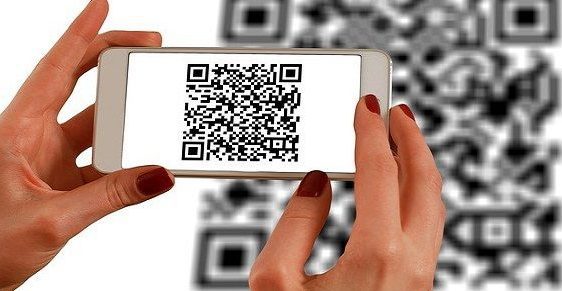
Every QR code consists of black and white dots arranged on a square grid, and the data is displayed in a matrix format. To read a QR code, one only needs a smartphone with a camera and a QR code reader application installed. Once the QR code is scanned, the mobile device decodes the matrix and retrieves the data contained within the code.
Understanding how QR codes work
QR codes encode data in a much more efficient way than traditional barcodes. They store data both horizontally and vertically using tiny squares, allowing for much larger amounts of information to be stored within a smaller space. This makes them ideal for storing URLs and other types of information that need to be shared quickly and easily.
To generate a QR code, you need to use a QR code generator tool. These tools take any input parameters such as a URL, text, or phone number and convert that data into a QR code. Once the code is generated, it can then be shared digitally or printed out.
What kind of URLs can be turned into QR codes
Any address on the internet can be turned into a QR code. This could include links to websites, social media pages, online videos, PDFs, and more. The benefit of using QR codes with URLs is that it enables users to access digital content quickly and easily, without having to manually type out a long web address.
The benefits of using QR codes for URLs
QR codes have numerous benefits, such as:
- Enabling quick and easy access to digital content
- Reducing errors when entering web addresses
- Tracking visitor engagement to digital content
- Providing a direct link to your website, social media pages or other digital channels
QR code generator tools to create your own
There are numerous QR code generator tools available online, most of which are free. Some popular options include:
- QR Code Generator
- QR Stuff
- The QR Code Generator
These tools allow users to create QR codes quickly and easily. You simply enter the URL or other data you want to encode, and the tool generates the QR code for you.
How to use QR codes for marketing and promotions
QR codes are widely used in marketing and promotions. By adding a QR code to a product or advertisement, businesses can quickly direct users to their website or social media page. This is particularly useful in print media such as flyers, posters, billboards and magazines, where users can scan the code with their mobile device and instantly access the digital content.
You can further enhance the effectiveness of QR codes by including a call-to-action (CTA) that encourages users to scan the code. For example, a CTA might say “Scan to download our app” or “Scan for exclusive offers”.
Best practices for using QR codes with URLs
To get the most out of QR codes, there are some best practices to follow. These include:
- Make sure the target website or digital content is mobile-friendly
- Include a CTA to encourage users to scan the code
- Provide clear instructions on how to use the QR code
- Ensure the code is large enough to be scanned easily
- Perform a trial scan before printing or publishing the code
By following these best practices, you can ensure that your QR codes are effective and help you to achieve your marketing and business goals.