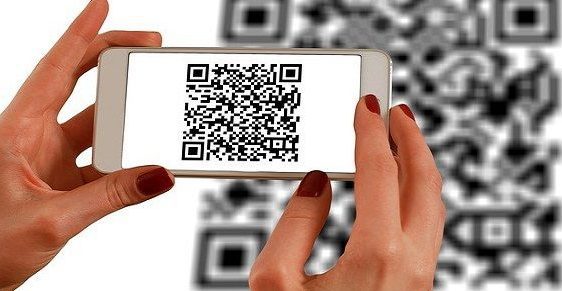

Did you know that QR codes have become an essential tool for accessing information quickly and efficiently? But, did you also know that they pose a significant threat to the security of our devices? Scanning a QR code may seem harmless, but if not careful, you could be inviting malware onto your device. Here are some ways that a QR code can get you hacked:
To avoid being hacked through a QR code, users should be vigilant and cautious. Always verify the source of the QR code before scanning it, and never scan QR codes from unfamiliar sources. Install a reliable antivirus software on your device to detect and prevent malware infections. Lastly, make sure your operating system and applications are updated to the latest version to help protect against security vulnerabilities. By taking these precautions, you can enjoy the convenience of QR codes without compromising the security of your device.
The Risks Associated with QR Codes
QR codes have become a popular and convenient way to access information quickly. By scanning these codes with a smartphone, users can instantly access a website, download an app, or view promotional content. However, the convenience of QR codes can come with a hidden cost: security. QR codes can be used by hackers to gain access to your device and infect it with malware. In this article, we will explore the risks associated with QR codes and how to protect yourself.
How QR Codes can Allow Hackers to Access Your Devices
Hackers can create QR codes that link to malicious websites or apps. When you scan such a code, you are redirected to a website or prompted to download an app that may contain malware. QR codes may also contain hidden information that can be used to gain access to your device. Once a hacker gains access to your device, they may be able to steal sensitive information such as passwords, banking information, and other personal data.
Tip: Be careful when scanning QR codes from unknown sources or shady websites. Limit your use to trusted sources only.
The Different Types of Malware that can be Downloaded via QR Codes
QR codes can allow malware to be downloaded onto your device, including trojans, spyware, ransomware, and adware. Each of these poses a different threat to your device’s security. Trojans can act as a gateway for hackers to gain access to your device and steal your data. Spyware can monitor your activity, record your keystrokes, and steal your personal information. Ransomware can lock down your device and demand a ransom payment in exchange for unlocking it. Adware can plague your device with unwanted and sometimes inappropriate ads.
Tip: Install a reliable antivirus software to protect yourself against malware attacks.
Risks of Ransomware and How QR Codes can Facilitate Attacks
Ransomware has become a growing concern in recent years. QR codes can exacerbate the problem by making it easier for hackers to spread ransomware infections. QR codes can disguise malicious links in a way that makes them appear legitimate. A user may scan the code and unwittingly download the ransomware, putting their device at risk. Users may be prompted to pay a ransom in exchange for the removal of the ransomware from their device.
Tip: Keep your device’s operating system updated to mitigate the risk of ransomware infections.
QR Codes and Trojan Horses: A Growing Threat
QR codes can also facilitate trojan horse attacks. Hackers can embed malicious code in seemingly harmless QR codes. When scanned, the code may allow a hacker to gain access to your device and control it remotely. This can result in a number of negative consequences, including data theft, financial theft, and device hijacking.
Tip: Always be cautious when scanning QR codes, particularly those that seem too good to be true.
How to Protect Yourself from QR Code Malware
Protecting yourself from QR code malware involves a combination of caution, awareness, and technology. Here are some tips to stay safe:
- Only scan QR codes from trusted sources. Avoid codes from unknown websites or those without a clear source.
- Install antivirus software on your device to detect and prevent malware infections.
- Keep your device’s operating system updated to avoid vulnerabilities that may be exploited by hackers.
- Pay attention to the permissions that apps request when downloaded from QR codes.
- Use a separate device for scanning QR codes that contain sensitive information, such as credit card details.
The Importance of Being Mindful When Scanning QR Codes
QR codes can be a great way to access information quickly and easily. However, they can also be a potential entry point for hackers looking to exploit weaknesses in your device’s security. It is important to be aware of the risks associated with QR codes and take the necessary precautions to protect yourself. By following the tips we’ve outlined, you can use QR codes safely and with confidence.