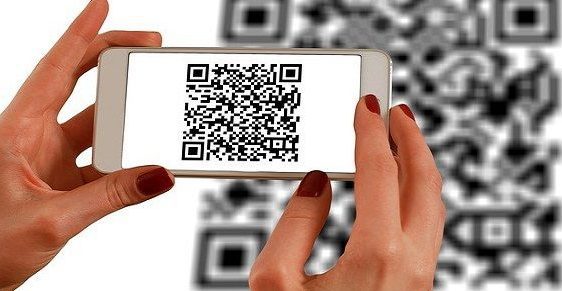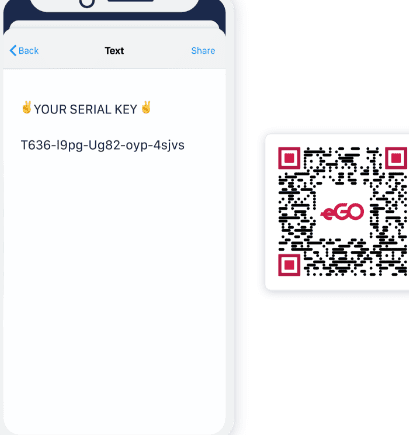

Have you ever thought about using a QR code to send an email? It sounds futuristic, but it’s actually a simple process that can save you time and effort. Here’s the kicker: QR codes can store a variety of information, from URLs to complete email messages. Here’s how you can use them to send emails:
The best part? No typing or copying and pasting necessary. QR codes offer a quick and efficient way to send emails directly from your mobile device. So why not give it a try?
QR Codes: More Than Just URLs
QR codes have become a popular way for businesses to provide their consumers with quick access to information. Originally designed for inventory tracking, QR codes are now widely used to redirect users to online resources such as web pages or promotional offers. However, what many people don’t realize is that QR codes can contain much more than just URLs. They have the capacity to incorporate email addresses, postal addresses, phone numbers, and even complete email messages within them.
Incorporating Email Addresses in QR Codes
Incorporating email addresses in QR codes can be quite useful for businesses. By just scanning the code, users can have an email address added to their contacts without the need for manual input. This not only helps save time, but it also minimizes the possibility of human error.
Additionally, QR codes allow businesses to track their email marketing campaign’s success as users can be redirected to a specific landing page after they’ve scanned the code. This provides insights into open rates and click-through rates, allowing for more informed marketing decisions.
How QR Codes can Deliver Emails
QR codes can be designed to carry a specific message or act as a call to action, delivering emails directly to consumers’ inboxes. This level of convenience is unbeatable and helps to streamline communication between a business and its clients.
Once a user scans the code, their email application will open with a pre-written subject line and email body. This format helps businesses to deliver email campaigns that are not only convenient for the user but also have a higher engagement rate.
The Advantages of QR Code Email Delivery
There are several advantages to using QR code email delivery over traditional email delivery methods. Some of these advantages include:
- It’s quick and easy
- Higher engagement rates as codes act as a call to action
- Convenient for users as they can send emails without the need for typing or manual input.
Creating a Complete Email Message in a QR Code
One of the unique aspects of QR codes is the ability to incorporate an entire email message within them. This type of QR code can be used to give users more information about a product or service, provide them with a discount code or a sales pitch, or simply allow them to contact customer support quickly.
By integrating a complete email message within a QR code, businesses can ensure that the user has all the necessary information in one place. The message can be designed to provide any required details, such as product specifications or a return policy, saving users the hassle of searching for information online.
Unique Uses for QR Code Emails
The versatility of QR codes allows for several unique uses for email delivery. Some examples include:
- Customer surveys- adding a QR code to a survey email can lead users directly to the survey website.
- Event invitations- codes can be designed to provide all the details of an event and even RSVP on behalf of the user.
- Feedback requests- a code can be included in an email requesting feedback, which leads the user to a landing page or form.
In conclusion, QR codes can do a lot more than just provide a URL link. They can incorporate email addresses, postal addresses, phone numbers and complete email messages within them. With the advent of QR code email delivery, businesses can streamline communication with their customers and create more engaging email campaigns. So, the next time you receive an email with a QR code, rest assured it is not just a fancy URL but a handy tool for efficient communication.