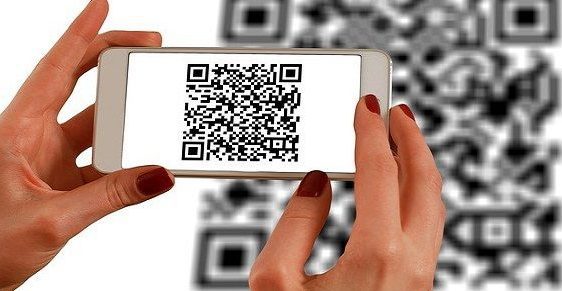

Did you know that QR codes can be copied and printed? Yes, they can. But, there are some important things you need to keep in mind to ensure the code remains scannable. Here are some key points to remember:
In conclusion, it’s important to be cautious while dealing with QR codes, especially when they’re copied or printed. Take necessary precautions and maintain the code’s quality to ensure it remains scannable. Always check the source and generate them through reliable companies for added security.
The Basics of QR Codes
QR codes, also known as Quick Response codes, are two-dimensional barcodes that were created in Japan in 1994. These codes are designed to quickly and easily store and transfer data between devices, such as smartphones and tablets. They accomplish this by using a series of black and white squares that form a specific pattern. This pattern can be read and interpreted by a QR code scanner, which then links to the data stored within the code.
QR codes have become increasingly popular in recent years, and can be found on everything from business cards to product packaging. They are used for a wide variety of purposes, including advertising, event promotion, and even bitcoin transactions. However, with this growing popularity comes the question of whether or not QR codes can be easily copied or printed.
QR Codes: Are They Easy to Copy?
The short answer is yes, QR codes can be copied. However, the effectiveness of a copied QR code depends on the quality of the copy. If the copy is unclear, blurry, or distorted in any way, then the QR code scanner will likely not be able to read the code. This means that the copied code will not be useful or effective.
It’s important to keep in mind that copying QR codes without permission can lead to legal repercussions. Intellectual property laws protect these codes, and unauthorized copying can result in legal action. So, even if it is possible to copy a QR code, it’s not something that should be done without proper authorization.
Clear Photocopies: A Must for Scannable QR Codes
If you do need to make a copy of a QR code for legitimate purposes, there are some key things to keep in mind to ensure that the copy is scannable. The most important factor is the quality of the photocopy. Here are some tips for creating clear photocopies of QR codes:
- Use a high-quality printer: The better the printer, the clearer the photocopy will be.
- Avoid stretching or distorting the code: Be sure to maintain the proper size and proportions of the code when making the copy.
- Use high-quality paper: Cheap, low-quality paper can result in blurry or distorted copies.
- Avoid copying a copy: Each generation of copies reduces the clarity of the code, so it’s best to start with the original code whenever possible.
By following these tips, you can create clear photocopies of QR codes that are still scannable and effective.
Printing QR Codes: What to Know
QR codes can also be printed directly onto various materials, including paper, plastic, and fabric. When printing QR codes, it’s important to consider the following factors:
- The size of the code: The size of the code must be large enough to be easily scanned by a mobile device, but not so large that it takes up too much space on the material.
- The color and contrast: QR codes should always be printed in black and white, with a high level of contrast between the two colors. This helps ensure that the code is easily read by a scanner.
- The material: The material that the code is printed on can impact its effectiveness. For example, glossy surfaces can cause glare that makes the code difficult to scan.
How to Avoid Blurring When Printing QR Codes
One common issue when printing QR codes is blurry or distorted codes. Here are some ways to avoid this:
- Use vector graphics: Vector graphics are resolution-independent, meaning they can be scaled up or down without losing clarity or detail.
- Use high-resolution images: If you are using an image for your QR code, make sure it is high enough resolution to print cleanly.
- Avoid low-contrast backgrounds: Using a low-contrast background can make it difficult for the scanner to distinguish between the code and the background.
Scanning Photocopied QR Codes
Finally, it’s important to note that photocopied QR codes can still be difficult to scan, even if they are clear and well-made. This is because the act of photocopying can sometimes result in slight distortions or blurriness that can impact the code’s effectiveness. To ensure that a photocopied QR code is scannable, it’s best to test it out with multiple devices and scanners to make sure it works reliably.
In conclusion, QR codes can be copied and printed, but their effectiveness depends on the quality of the copy or print. Photocopying a QR code can be effective as long as the copy is clear and high-quality. And when printing QR codes, it’s important to consider factors like size, color, and material to ensure that the code is easily scannable.