
You might think that QR codes have had their day, but think again. In 2022, they are more relevant and important than ever before. Here’s why you need to keep using those little black and white squares:
So, don’t underestimate what QR codes can do. They’re versatile, practical and here to stay. Who knows what they’ll be used for next? But one thing’s for sure – QR codes are far from obsolete.
The basics of QR codes
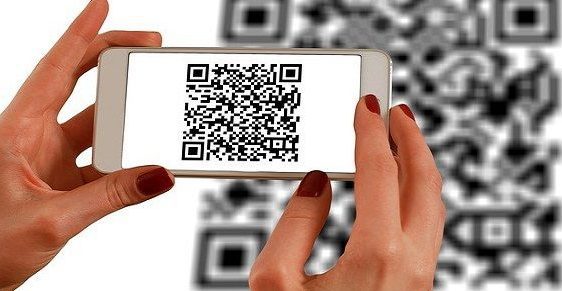
A QR code, or Quick Response code, is a two-dimensional barcode that was first created in Japan in 1994. These codes are designed to be scanned by a smartphone camera, which can then prompt the user to perform a specific action, such as opening a website or downloading an app. QR codes are popular because of their capacity to store a great deal of information, such as a website URL, contact information or product details.
The vast majority of smartphones come with a QR code scanner app pre-installed, making it easy to access the contents of a QR code. QR codes have been used in many areas of life, from coupons in magazines to bus stop advertisements. They allow users to obtain information quickly and easily, providing a more interactive experience.
The early adopters of QR codes
QR codes were initially popular in Japan from their inception, with businesses using them to promote their products and services. However, in the western world, QR code adoption was slower to occur, with some people viewing them as a “gimmick”, or a part of a fad that would soon die out.
Many companies saw the potential of QR codes in marketing and started incorporating them into their campaigns, but uptake was initially slow as many people were not familiar with what they were or how to use them. This is slowly changing, with more people recognizing the benefits of QR codes.
Concerns with QR codes
One of the main concerns with QR codes is their perceived lack of security. There are cases where criminals have created malicious QR codes to redirect users to fraudulent websites or to infect their device with malware. Users should always be careful when scanning a QR code and ensure they know the source of the code.
Another concern with QR codes is the lack of standardization. Many different organisations have created their own version of a QR code, which can cause confusion for users who are unsure which app to use to scan the code. There can also be issues with compatibility between different devices and QR codes.
The resilience of QR codes
Despite being around for over two decades, QR codes have demonstrated their resilience by continuing to be used in various settings, from marketing campaigns to restaurant menus. The COVID-19 pandemic has also contributed to the rise in popularity of QR codes, as they are seen as a safer way to share information without the need for physical contact.
QR codes also have advantages over other forms of technology, such as NFC (Near Field Communication), which requires close proximity between the two devices. QR codes can be used at a distance, making them more versatile in certain circumstances. They are also a cost-effective solution for businesses, as they can be generated for free.
How QR codes are being used in 2022
QR codes are being used in a range of different ways in 2022, from event ticketing to contact tracing. Some examples include:
- Restaurants displaying a QR code on tables for customers to scan and access the menu
- Conference organizers using QR codes on name badges to streamline check-in processes
- Real estate agents using QR codes on signs outside properties to provide information about the listing
- Healthcare providers using QR codes for contact tracing in hospitals and clinics
Industries that benefit from QR codes
QR codes have proven to be useful in many industries, such as retail, hospitality, and healthcare. One key benefit is their ability to provide a seamless customer experience. In the retail industry, for example, QR codes can be used to provide additional product information, offer discounts or enable customers to purchase products directly from their phone.
QR codes also have applications in the healthcare industry, where they can be used for everything from appointment reminders to prescription refills. The use of QR codes in healthcare can help to streamline processes and reduce administrative costs. In the hospitality industry, QR codes can be used to streamline check-in processes, access hotel amenities and even enable guests to check out without needing to speak to a member of staff.
QR codes and the future of marketing
QR codes have become a key part of many marketing campaigns, and this trend looks set to continue into the future. With the rise of mobile technology and the increasing popularity of contactless payment systems, QR codes are likely to play an even more significant role in the years to come.
Businesses will continue to incorporate QR codes into their advertising strategies, using them to engage customers, provide product information and offer discounts. As the use of augmented and virtual reality technologies becomes more widespread, QR codes could also be used to unlock immersive experiences for customers.
In conclusion, QR codes are far from obsolete and are, in fact, growing in popularity due to their versatility and ease of use. With the ability to store large amounts of information, QR codes are an effective way for businesses to engage customers and provide a tailored experience. Despite concerns about security and standardization, QR codes continue to be an important part of our digital world and will likely remain so in the future.