
Looking for a simple and efficient way to access content? Look no further than QR codes! And if you’re an Android user, it couldn’t be easier to unlock the potential of these codes. Here’s how to do it, step by step:
It’s that simple. Whether you’re accessing a website or logging into an account, opening a QR code directly on your Android device is a snap. So take advantage of this convenient, timesaving tool and never miss out on great content again!
Compatible Android devices for opening QR codes
QR codes have become absolute must-haves in today’s digitally advanced world. They are present everywhere and are used for various purposes such as storing website URLs, accessing Wi-Fi networks, making payments, and more. However, to be able to scan and open these codes directly, you must have a compatible Android device. Almost all modern Android devices running Android 9 or higher come pre-installed with a built-in camera application that can read QR codes.
Using the camera built-in application to scan QR codes
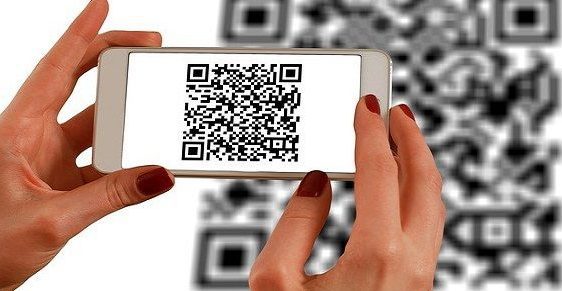
Once you have acquired a compatible Android device, using it to scan QR codes is fairly easy. You can do so by opening the default camera app and pointing the camera lens directly at the code. Keep your device at an appropriate distance from the QR code and make sure it is in focus. If the QR code contains sensitive information, the camera app will prompt you to confirm if you want to proceed with scanning. Once you confirm, your device will read the code and perform the relevant action.
Pointing the camera at QR codes accurately
Now, when it comes to scanning QR codes, accuracy and positioning are critical. Failure to point the device camera correctly may cause incorrect readings, error messages, or even prevent your device from detecting the code altogether. Therefore, the following tips will help you point the camera accurately:
- Position the camera at an appropriate distance from the QR code. Most QR codes work best when shot within a distance of about 4-6 inches.
- Avoid obscuring the edges of the QR code as this can distort the image, leading to code detection failures.
- Hold your device still to avoid unnecessary movements that may cause blurring or focusing problems.
Banner prompt for opening QR codes on Android devices
Upon successfully scanning a QR code, a banner prompt will appear on the top of the screen. This prompt will display the relevant action to be taken, such as to register an event or share a file, among others. Alternatively, some Android devices may also have a pop-up notification that appears at the bottom of the screen.
Following step-by-step instructions for logging in with QR codes
QR codes are commonly used for logging into various services that require authentication. With your Android device, this process is a breeze. Once you have opened your camera app and point it at the code, follow the prompts to log in. However, some apps and services may require additional steps such as a password, security questions, or even biometric verification. In such cases, take your time to carefully read through the instructions displayed on the screen before proceeding.
Tips for troubleshooting QR code scanning issues on Android devices
Despite the simplicity of QR codes, they can be problematic at times. Here are some troubleshooting tips to help overcome common QR code scanning issues that you may encounter on your Android device:
- Try increasing the brightness of your device screen or using a flashlight to help capture a clear image of the code.
- If the QR code is on a reflective surface, try taking the photo from a different angle since glare can cause distortion.
- Ensure that the QR code is not damaged, smudged or cut off.
- If you suspect that the scanned QR code is malicious, avoid clicking on any links or downloading any content, but instead, seek professional help.
- If your device still has trouble opening QR codes, try downloading a third-party scanning app such as QR Droid or Barcode Scanner to scan codes.
In conclusion, opening QR codes on Android devices is a versatile tool that can save time and provide a wealth of information. However, ensure that you follow the steps outlined and take necessary precautions to avoid falling victim to malicious acts, such as phishing attacks, unauthorized access, or identity theft.