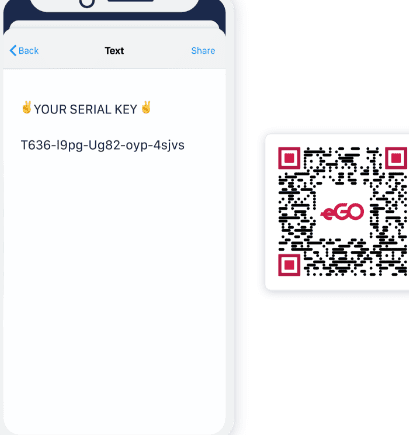

Are your QR codes causing concern about security risks? Don’t panic! Static QR codes may be unchangeable once created, but there are ways to mitigate risks that come with using them.
Firstly, consider switching to a Dynamic QR Code: unlike static codes, dynamic ones redirect users to a website where the content is stored, giving you greater control over updates and making it easier to change the content.
Secondly, limit the lifespan of your QR code: set an expiration date or cap the number of allowed scans if you’re concerned about the code being used beyond a certain date or number of scans.
Finally, inform users of potential risks: add a warning message or instructions on safe scanning practices to minimize the chance of the code being exploited.
While you can’t turn off a Static QR Code once it’s created, you can still take steps to ensure they’re a secure and effective part of your marketing or business strategy.
Can a QR Code Be Turned Off?
QR codes are two-dimensional barcodes that have been making inroads in modern advertising efforts. As a QR code is a matrix barcode, it stores information in a square format rather than sticking to linear barcodes. This makes it possible to use them to store a wide range of data such as URLs, emails, text, and other relevant information. However, there has been a misconception about the disabling Static QR Codes. This article aims to explore and answer the question; can a QR Code be turned off?
Understanding the concept of a Static QR code
A Static QR Code is a barcode that stores information within it that cannot be changed once it has been generated. The information and content associated with the QR Code remain intact throughout its lifetime. Static QR Codes are prevalent in printed materials such as business cards, magazines, brochures, and newspapers.
Once generated, the information cannot be modified, which means whoever obtains the printed material with the QR Code will retrieve the same information throughout the code’s lifetime. This brings up the question, is it possible to disable aStatic QR Code?
Is it possible to disable a Static QR code?
It is impossible to disable the Static QR Code as it retains the information in the QR Code itself. The only way to deactivate or change the content of a Static QR Code is to reprint or re-encode it. This feature of Static QR Codes makes it not suitable for campaigns that require constant updates in content or simultaneous usage by multiple groups of people.
Hence, if a user attempts to scan a Static QR Code with corrupted data, invalid or expired content, they will receive an error message. It’s worth noting that even if a user destroys a printed item with a Static QR Code, it does not turn it off. The only way to turn off a Static QR Code is to stop printing its associated materials.
Limitations of Static QR codes
Although a Static QR Code is beneficial in information distribution, its limitations make it not suitable for some types of advertising campaigns. Its inability to have its content revamp once it’s printed limits its employment to circumstances where the information changed very little or not at all. Below are some limitations of Static QR Codes:
- Information stored in the Static QR Code cannot be changed once it’s generated. This limits the adaptability of the code and requires continual reprinting of materials associated with the QR code for any updates
- Infections like malware, spyware, and viruses can be injected into a Static QR Code, and there’s no way of turning it off.
Dynamic QR Codes and the ability to disable them
Dynamic QR Codes differ from Static QR Codes in that the information and content associated with them are stored on a server rather than within the code itself. Hence, it’s possible to limit or turn off a Dynamic QR Code’s content by changing its information on the server’s end. This makes the code more adaptable to campaigns that require frequent content updates and makes it an excellent choice for marketers.
If a Dynamic QR Code is no longer useful, the administrator can alter or restrict access to it by blocking access on the server. This feature immensely helps to regulate the use of QR Codes during marketing campaigns; however, it requires technical skills.
Customizable QR codes and turning them off
Customizable QR Codes follow a more adaptable format because the linking destination is not embedded in the code but generated dynamically. This Code type is more flexible and allows the designer to change the QR Code’s shape, color, and design. Customizable QR Codes can be created using tools like QRhacker, QRstuff, and Visualead.
Despite the code’s flexibility and ease of customization, it remains useful only as long as its associated content is useful or necessary for its users. Once the content is no longer practical or necessary, the administrator has to change the linking destination or restrict access to it.
Best practices for managing QR codes and their content
QR Codes are incredibly useful, and leveraging them can provide tremendous benefit to advertisers’ campaigns. However, managing them, the information, and content attached to them can be challenging, and a few best practices should be adopted, including:
- Ensure you test the QR Code to verify it’s working and the content attached to it is accurate before deploying it for public use. This helps to avoid deactivated content errors that might discourage prospects
- Proper placement of the QR Code in print materials guarantees visibility and increased engagement rates, leading to potential conversions
- Always consider the mobile-friendliness of your linked destination because the majority of QR Code users scan QR codes from their mobile devices. Ensure your landing page is optimized and mobile responsive
- Monitor the performance of your code and track relevant data that will help you understand the accuracy of the content, the scanning rate, and click rates. This will help you make informed decisions during future campaigns
- Recognize the importance of security when deploying and managing QR Codes. Malware is a probable threat, and security measure must be put in place to prevent infiltration
In conclusion, Static QR Codes cannot be turned off, and they retain their information throughout their lifetime. While its limitations make it less appealing for campaigns that require frequent updates, Dynamic QR Codes and Customizable QR Codes allow for content changes and can be turned off when necessary. Proper management and implementation of QR Codes can help provide valuable user experience and drive traffic to a company’s website.