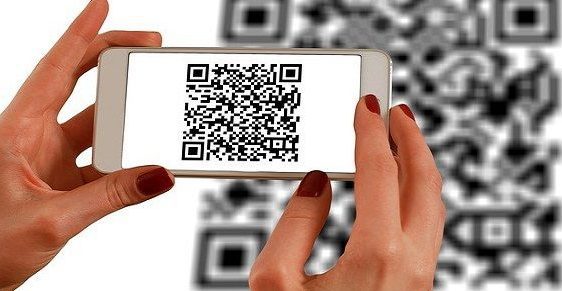

QR codes: The gateway to easy digital access. Scanning a QR code is like opening a treasure trove of information. With just a tap on your phone’s camera, you can access a whole new world of possibilities. But what really happens after you scan a QR code?
Well, the answer is simple. The reader inside your phone’s camera reads the code and retrieves the information inside it. And that’s when the magic begins. Depending on the type of information stored in the code, a variety of actions can occur on your phone. Here are a few common examples:
In a nutshell, scanning a QR code can lead you down a path of discovery and convenience. So go ahead, scan the code and enjoy the journey.
What Happens When Someone Scans a QR Code? A Comprehensive Guide
How QR Codes Work with Your Phone’s Camera
QR codes, otherwise known as Quick Response codes, are a type of two-dimensional barcode that can be scanned with the camera on your mobile phone. Unlike traditional barcodes, QR codes can hold a lot more information, from text and links to videos and contact information. When you take a picture of a QR code with your phone’s camera, it reads the data in the code and sends it to a QR reader app or integrated software on your device.
The Role of QR Readers in Scanning Codes
QR readers are essential to scanning and interpreting the information stored in a QR code. They function by decoding the black and white squares in the code into an understandable format for the device. When you scan a QR code, the reader sends a signal to a server, which then processes the data and performs an action, such as opening a website or displaying a message.
Retrieving Information from a QR Code
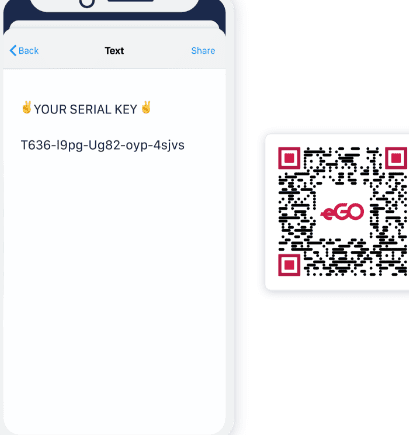
QR codes can hold a wide variety of data types, including URLs, email addresses, phone numbers, and even plain text. When you scan a QR code, the information stored within the code is retrieved by your phone’s QR reader, which then displays the data for you to read or interact with. This makes QR codes a versatile tool in sharing information quickly and easily.
Triggering Actions Through Scanned QR Codes
One of the major advantages of QR codes is their ability to trigger actions on your phone. For example, scanning a QR code on a business card could prompt your phone to save the contact information to your address book. Or if you scan a QR code at a museum exhibit, you may be directed to a website with more information about the display. QR codes can also be used in marketing and advertising campaigns, such as providing a discount code or directing users to a product page.
QR Codes with URLs and Their Function
QR codes with URLs are the most common type of QR code. They can be used to promote websites, share links, and drive traffic to online resources. When you scan a QR code with a URL, your phone’s QR reader will display the link, which can then be accessed by tapping on it. This makes it easy for businesses and individuals to share their online content while minimizing the need for lengthy URLs.
Quick Tip: To create a QR code with a URL, there are various free online tools you can use, such as QR Code Generator or Pageloot.
Opening Websites Through QR Code Links on Mobile Browsers
Once the QR code with a URL is scanned, your phone’s default browser will automatically open the website linked to the code. This offers a seamless browsing experience for users, as they don’t need to manually type in the URL or search for the website. Instead, they can simply scan the code and access the content immediately on their mobile device.
In conclusion, QR codes are a powerful tool to share information and trigger actions through a simple scan. They work by encoding data in a two-dimensional barcode, which is then read by a QR reader on your mobile phone. This allows for a wide range of functionality, from retrieving contact information to opening websites and providing discounts. With their ease of use and versatility, QR codes are becoming an increasingly popular marketing tool for businesses and individuals alike.