
Safely sharing QR codes is essential in today’s tech-driven world, but it can be tricky. Don’t fret, though! With a little bit of caution and these pro tips, you’ll be sharing QR codes like a pro in no time.
Follow these guidelines, be smart, and you’ll avoid any QR code pitfalls. So go ahead, scan away with confidence!
Is it safe to share QR code?
QR codes have become increasingly popular, especially in the last few years. They have grown in popularity due to their ability to transfer information quickly, easily, and securely. However, as with any technology, they may come with some risks. The risk of identity theft, scams, and other related issues mean that it is not safe to share QR codes indiscriminately.
What Are QR Codes and How Do They Work?
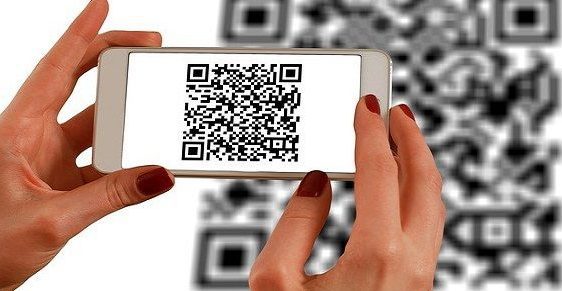
QR codes are two-dimensional barcodes that contain a lot of information. They allow users to transfer data without requiring them to type in the information manually. Instead, all the user must do is scan the QR code with their smartphone or other compatible device, and the information contained therein is automatically transferred. QR codes are typically used in advertisements, marketing campaigns, business cards, and other promotional materials.
QR codes work by using a specialized algorithm that converts the information into a series of dots, squares, and other geometric shapes. These shapes are arranged in a pattern that is both readable by humans and machines.
QR Codes and Their Potential Security Risks
QR codes can pose security risks because they may contain sensitive data such as bank account numbers, passwords, or other personal information. QR codes may also be embedded with malicious code, which can infect the user’s device with malware or viruses.
Another security risk associated with QR codes is that they can be easily copied or duplicated. This means that if you scan a QR code, you have no way of knowing if the information it contains is authentic.
Identity Theft and Scams Associated with QR Codes
Identity theft and scams are common issues associated with QR codes. Hackers can use QR codes to gain access to your personal information, which they can use to steal your identity. They may also use QR codes to steal money from your bank account or credit cards.
Scammers can also use QR codes to trick you into sending them money or giving them access to your personal information. For instance, they may create a QR code that appears to offer a discount or a special offer. When you scan the QR code, it takes you to a website that looks legitimate, but in reality, it is a phishing website that aims to steal your personal information.
Why You Shouldn’t Scan Any QR Codes to Get Cash
Scanning QR codes to get cash may seem like a quick and easy way to access your money, but it is highly risky. It is not uncommon for people to create QR codes that appear to offer free money, but in reality, they are scams designed to steal your information.
When you scan a QR code to get cash, you are effectively giving someone access to your bank or credit card account. They can use this information to withdraw money from your account or make fraudulent purchases in your name.
How to Stay Safe When Sharing QR Codes
Sharing QR codes can be safe if done correctly. Here are some tips to ensure you are sharing your QR codes safely:
- Only share QR codes with people you trust
- Do not share QR codes that contain personal or sensitive data like your bank account number or passwords
- Use a reputable QR code generator
- Check the website or app the QR code takes you to before sharing or scanning the code
Tips for Protecting Your Personal Information with QR Codes
Protecting your personal information when using QR codes is crucial. Here are some tips to ensure you are protecting your information effectively:
- Do not scan QR codes from unknown sources
- Do not click on links in QR codes from unknown sources
- Check the source before scanning a QR code
- Use an antivirus program to protect your device from malware or viruses
- Update your device’s software regularly to prevent security breaches
What To Do If You Fall Victim to a QR Code-Related Scam
If you fall victim to a QR code-related scam, it is important to take action immediately. Here are some steps you can follow:
- Contact your bank or credit card company to report any fraudulent activity
- Report the scam to the police and provide as much information as possible
- File a complaint with the Federal Trade Commission (FTC) to help prevent others from falling victims to the same scam
- Change your passwords and monitor your online accounts regularly to ensure that no further unauthorized access has been made
In conclusion, QR codes are a useful tool for transferring information quickly and efficiently. However, they come with risks. By being cautious and taking the necessary precautions, you can enjoy the convenience of QR codes without putting your personal information at risk. Remember, always verify the source before scanning a QR code, and never scan any code that offers free cash.