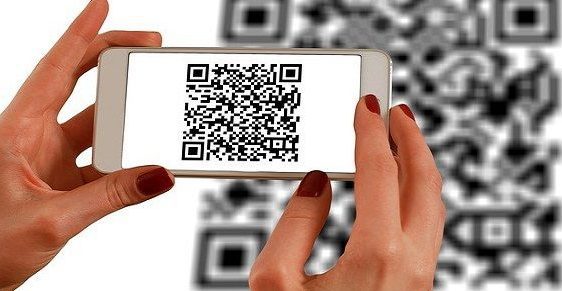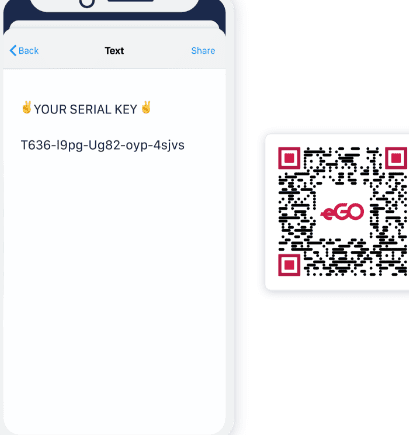

Want to instantly direct potential customers to your website? Say hello to QR code URLs! With just a quick scan on their smartphone or tablet, users are redirected to your desired webpage. Here are some key points to keep in mind:
By incorporating QR code URLs into your next marketing campaign, you can boost customer engagement and drive up your website’s traffic.
What Does QR Code URL Mean?
QR Code: Definition and Purpose
The QR code, also called the “quick response code” is a two-dimensional barcode that was first developed in Japan by Denso Wave. QR codes are an efficient way of conveying information that can be scanned quickly using digital cameras on smartphones or tablets. These codes can contain various types of data, including plain text, website URLs, contact information or other multimedia. The purpose of the QR code is to provide instant access to information that can aid in marketing, communication, and even in identifying products.
How Does QR Code Work?
QR code utilizes a matrix of black and white squares, similar to a traditional barcode. The difference is that QR codes are designed to store and transfer more data than a regular barcode. In addition, QR codes can be scanned from any direction using a smartphone or tablet camera, making it easy to access the information stored within the code.
When the QR code is scanned, the camera on the smartphone or tablet captures the image, and the device’s software decodes the data within the code. This can lead the user to a website, prompt a phone call, send an email or provide other information, depending on the contents of the code.
Difference Between QR Code and Barcode
While QR codes and barcodes may look similar, they serve different purposes. Barcodes only hold a limited amount of information, typically identifying a product or service, while QR codes can convey significant amounts of data that can prompt various actions.
Another difference is the shape and structure of the two codes. Barcodes are linear, consisting of a set of vertical lines of varying thickness, while QR codes are two-dimensional, including a matrix of black and white squares arranged on a square grid.
Use Cases for QR Codes
QR codes have various applications across different industries. Some of the highlighted uses include product tracking, mobile payments, event management, and marketing promotions. Some examples include:
– Product tracking: Companies can utilize QR codes on their products to track the progress of their distribution or manufacturing process.
– Retail: Retail stores can use QR codes on their flyers or store banners to provide customers with more information concerning discounted products or special promotions.
– Mobile payments: QR codes can serve as a quick and reliable way to conduct mobile payments, ensuring secure transactions for both the customer and the seller.
– Marketing promotions: QR codes can also serve as an effective way to promote events or products. Companies use them as a way of providing incentives or rewards to customers who scan the code.
Creating Your Own QR Code URL
Creating a QR code is relatively straightforward. There are various online QR code generators that allow users to customize the code with specific contents, such as website URLs or contact information. To create a QR code URL:
1. Select a QR code generator website, such as GoQR.me or QR Code Generator.
2. Choose the type of content you want to store in the code.
3. Input the data you want to store in the code.
4. Customize the design and size of the code.
5. Download or print the QR code.
Tips for Using QR Codes Effectively
QR codes can be a valuable tool in marketing and communication strategies, but it is essential to use them effectively. Some tips to consider include:
1. Ensure code readability: Ensure the QR code is large enough, in a standard format and uncluttered to ensure accurate scanning.
2. Provide valuable content: Ensure the content associated with the QR code provides value to the user. It should inform, inspire or educate.
3. Choose the right placement: Select an area where the code is easy to scan, with sufficient lighting and a sufficient distance between the code and the camera.
4. Measure engagement: Using analytics, it’s essential to track and measure the rate of engagement to evaluate the success of the campaign.
QR Code URL Security Concerns
QR codes can be vulnerable, especially when linked to sensitive information such as bank or account details. Hackers can attach malicious codes to QR codes prompting unwanted malware downloads resulting in compromised information. To ensure user safety when using QR codes:
- 1. Scan from reliable sources: Users should only scan codes that lead to reliable sources, such as official company websites or reputable partner sites.
- 2. Use a QR scanner with in-built security: Use QR code scanners with added security features which can identify malicious codes, and alert users accordingly.
- 3. Verify the link: Use Anti-malware software, and browsers that can verify the authenticity of a link before opening the corresponding web page.
In conclusion, QR codes provide an efficient and innovative way of providing information rapidly. The code’s ability to store data such as website URL or multimedia makes it an ideal tool for marketing and communication strategies. Although QR codes have vulnerabilities such as potential security and privacy risks, they remain a potent tool in enhancing user engagement in the digital world.