
Cracking the code of QR codes has never been easier! But before you dive in, make sure you have these three key elements on hand for successful scanning:
So grab your phone, download a QR code scanner, and connect to the internet- it’s time to start scanning!
Smartphone is a must-have for scanning QR
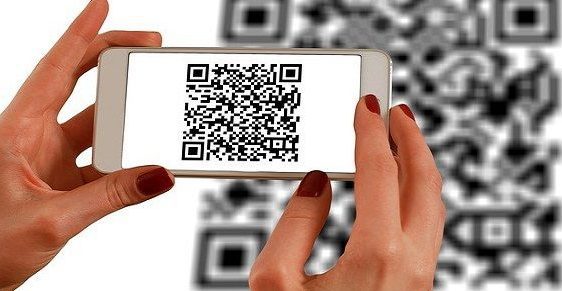
When it comes to scanning QR codes, a smartphone is an absolute must-have. While QR codes can technically be scanned using a computer with a webcam, the process is much more cumbersome and time-consuming than simply using your smartphone. With your smartphone, you can easily scan a QR code in just a few seconds, which makes it a much more practical option.
How QR code scanning app works on smartphone
To scan a QR code using your smartphone, you will need to have a QR code scanner application installed. There are a variety of different apps available for both Android and iOS devices, but they all work in more or less the same way.
When you open a QR code scanner app and point your smartphone’s camera at a QR code, the app will automatically recognize the code and decode the information stored within it. This information could be anything from a website URL to contact information to a coupon code.
Data or Wi-Fi? Which one is essential for scanning QR codes
While having a smartphone and a QR code scanner app is essential for scanning QR codes, the question of whether you need data or Wi-Fi to scan a QR code is a bit more complex.
Technically speaking, you don’t need an internet connection to scan a QR code. However, you will need an internet connection if you want to do anything with the information stored in the QR code. For example, if the QR code contains a website URL, you’ll need an internet connection to actually visit that website.
Understanding the role of an active internet connection in QR scanning
When you scan a QR code with an active internet connection, there are a few things that happen behind the scenes. First, your smartphone will use your internet connection to send the information stored in the QR code to a server. This server will then process the information and send back any relevant data to your smartphone.
If the information stored in the QR code is a website URL, for example, your smartphone will use your internet connection to visit that website and retrieve the website’s data. If the information is a coupon code, your smartphone will use your internet connection to download and display the coupon.
Data pack or Wi-Fi network: making the right choice for QR scanning
So, if an internet connection is essential for using the information stored in a QR code, which type of connection should you use? The answer to this question largely depends on your specific situation.
If you have a limited data plan on your smartphone, it may be more cost-effective to use a Wi-Fi network whenever possible. However, if you’re out and about and don’t have access to Wi-Fi, using your data plan may be the only option.
It’s also worth noting that certain types of QR codes, such as those used for payments, may require a secure internet connection, such as a Wi-Fi network at a coffee shop or a cellular connection with a strong signal.
Looking at the connection requirements for QR code scanning
To summarize, here are the key things to keep in mind when it comes to the connection requirements for scanning QR codes:
- You need a smartphone and a QR code scanner app to scan a QR code.
- You don’t need an internet connection to scan a QR code, but you will need one if you want to use the information stored within it.
- The type of internet connection you use largely depends on your specific situation, including considerations such as data usage, security, and availability.
What happens if you don’t have internet access while scanning QR codes?
Finally, what happens if you try to scan a QR code without an active internet connection? In most cases, your smartphone will either be unable to retrieve the information stored within the code or will only be able to display basic information, such as the name of a contact or the title of an event.
If you’re in an area without an active internet connection and need to scan a QR code, your only option may be to save the code and scan it later when you have an internet connection. However, this is less than ideal, as it can lead to missed opportunities and inconvenience. So, whenever possible, make sure you have an active internet connection when scanning QR codes.