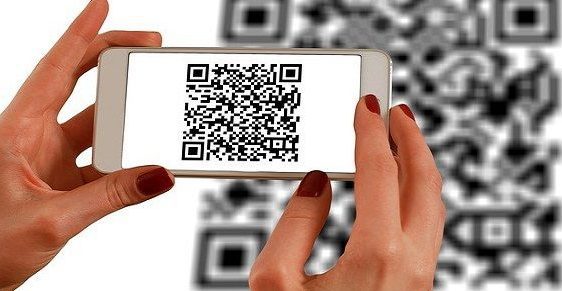

Are you using QR codes to communicate with your customers? These codes are an incredibly useful tool, allowing businesses and individuals to share information easily and quickly. However, making certain mistakes can render a QR code invalid and useless. Here are some common errors that you’ll want to avoid:
- Modifying the appearance of a QR code too much can cause the contrast between it and the background to be too dull.
- Changing the colors to the point where the contrast is too low, making it difficult for scanners to read.
- Reducing the size of a QR code can make it difficult for scanners to capture all of the data components.
- Playing around with the structure, which can cause scanners to misinterpret the data within the code.
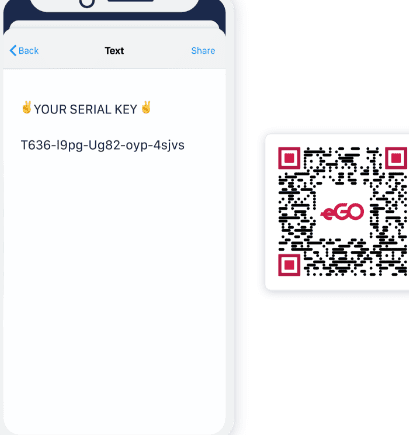
- Adding additional visual elements, such as images or logos, that may interfere with the QR code’s readability.
Remember that the key to using QR codes is to ensure that they can be scanned and interpreted accurately. If you do need to add branding elements, make sure they don’t affect its readability. By avoiding these common QR code mistakes, you can create a valid and effective way of conveying information to your target audience.
Understanding QR Code validity
QR codes are an essential and commonly used technology in today’s digital marketing world. They are used for various purposes such as website links, product information, and promotions. However, not all QR codes are created equal. One of the most critical aspects of QR codes is their validity. A valid QR code is one that can be scanned, read, and provide the intended information efficiently. An invalid QR code, on the other hand, is one that cannot be read or understood by the scanning device, rendering it useless.
QR Code design and how it affects its readability
The design of a QR code plays a crucial role in determining its validity. QR codes feature a distinctive black and white pattern that encodes information. Any modification to this pattern may affect its readability or cause it to be invalid. QR codes are typically designed to be easily scannable, but poor design choices can make them challenging to use.
Designing a QR code with an overly complex pattern or adding distracting elements such as logos or images can make it less scannable. Additionally, resizing or skewing a QR code can negatively impact its readability. It is essential to make sure the QR code design meets specific criteria to ensure that it can be read by scanners accurately.
Contrast and QR Code readability
One of the most crucial aspects of QR code readability is the contrast between the QR code and the background. If the contrast is insufficient or non-existent, the QR code may be unreadable for scanning devices, making it invalid. High contrast between the code and the background is essential to ensure that the QR code can be read with ease.
Using colors that are too similar to the QR code or the background color can reduce the contrast, making scanning difficult. QR codes should be designed with a black pattern set against a white background, as this provides the highest level of contrast for scanners.
Data component modification and scanner understanding
QR codes encode data and communicate information to scanners. If the data components are modified, the scanner may not be able to understand the code, rendering it invalid.
Some modifications that can cause issues with the data components include changes to the size or shape of the code. A scanner may not be able to read a code that is too small, too large, or has been altered in shape. Additionally, if the data is encoded incorrectly, this can cause issues with scanner understanding, leading to invalid codes.
Scanning devices and QR Code validation
The scanning device used to read a QR code plays a significant role in code validation. Not all scanners are created equal, and some may have different capabilities than others. A scanner with a low resolution or poor lighting might have a hard time scanning a code, leading to invalidation.
It is essential to keep in mind the scanning device used when developing a QR code. Designing a code that can be read by multiple types of scanners is important to ensure that it is valid in the hands of the consumer.
The effects of an invalid QR Code on the user experience
Invalid QR codes can have a severe impact on the user experience. If a user is expecting the code to lead them to useful information or content and instead receives an error message or no response at all, it is frustrating. This can damage brand loyalty and cause users to lose trust in the company, leading to negative reviews or lack of engagement.
QR Code testing and validation
Testing and validation are crucial to ensuring that a QR code is valid and functioning correctly. Comprehensive testing can check for issues such as readability, contrast, data component modification, and scanner understanding.
Validation tools can help test the code for compatibility with various scanners, QR code standards, and mobile operating systems. It is essential to test the code thoroughly before implementing it to guarantee optimal performance.
Best practices for creating and verifying QR Codes
To create effective QR codes, there are various best practices to consider. These include:
- Ensure high contrast for readability
- Stick to black and white patterns without modifications
- Limit the code size and ensure the data components are correctly encoded
- Use a validation tool to verify code compatibility and performance
- Test the code in different environments to ensure compatibility
In conclusion, QR code validity is crucial to the function of the code and the user experience. Design and testing are essential steps in creating and verifying the code to guarantee optimal performance. Implementing best practices for QR code development can help ensure that they are valid and useful for their intended purposes.