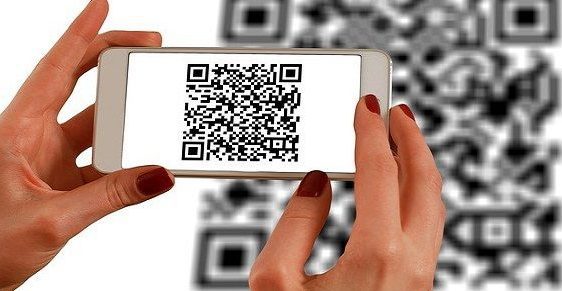

Are you a fan of QR codes? They’re undoubtedly one of the quickest and easiest ways to access information. But how long will a QR code last? That’s the big question! The answer depends on whether you’re dealing with a static or a dynamic QR code. Here’s the lowdown.
Static QR Codes:
These codes are valid until their destination URL is functioning. Once the URL stops working, the QR code expires, meaning it won’t direct you to any other destination after scanning it. So if you need a long-lasting code with a permanent destination, static QR codes are your go-to option.
Dynamic QR Codes:
Dynamic QR codes give you more flexibility compared to their static counterparts. The URL for a dynamic QR code can be changed at any point, letting you update the code’s destination regularly. This means the QR code never expires and can always redirect to the newest URL.
So, whether you opt for static or dynamic QR codes depends on your needs. If the URL won’t change, stick with a static code, but if it will, then a dynamic QR code is the way forward. But just keep in mind that if the URL stops working, the static QR code will expire with it, so choose your QR code wisely!
Understanding the lifespan of QR Codes
QR codes have become ubiquitous in our daily lives. They are increasingly being used for a variety of purposes such as promoting products or services, storing information in travel documents, making payments, and more. However, not many people are aware of the lifespan of QR codes. QR codes, just like any other technology, have a fixed life span beyond which they become obsolete. Hence, it’s essential to understand how long QR codes last and how to ensure their longevity.
What are static QR Codes?
Before diving into the longevity of QR codes, it’s essential to understand that there are two types of QR codes: static and dynamic. Static QR codes are those that point to the same URL always, regardless of when they are scanned. They are commonly used in marketing campaigns to redirect users to a specific landing page. Static QR codes are valid until their destination URL is working. If this URL ceases to function any more, the static QR code expires, and won’t redirect to any other destination after scanning.
The importance of a functioning destination URL
The destination URL is the place where the QR code points to when scanned. The functioning of the URL is crucial for ensuring the longevity of the QR code. If the destination URL ceases to exist or changes, the QR code will become obsolete as it will no longer be able to redirect users to the intended destination. Therefore, it is essential to ensure that your destination URL is working before printing and distributing your QR code.
Tip: Use a URL shortener service that enables you to update the destination URL without changing the QR code. Examples of such services include Bitly, Rebrandly, and TinyURL.
How to ensure the longevity of your QR Code
To ensure that your QR code lasts for a long time, you need to keep the following tips in mind:
- Make sure that your QR code’s destination URL is working before printing your QR code.
- Use static QR codes to ensure that your QR code points to the same destination URL always.
- Use a URL shortener service to update the destination URL without changing the QR code.
- Use high-quality printers and materials to print your QR code.
The risks of using expired QR Codes
Using expired QR codes can lead to the following risks:
- Loss of brand reputation (if the QR code redirects to a broken link)
- Missed sales opportunities
- Increased marketing costs (to print and distribute new QR codes)
Therefore, it’s essential to keep track of the validity of your QR codes and replace them with new ones when necessary.
Updating or replacing QR Codes with expired URLs
If you realize that your QR code’s destination URL is no longer working or has changed, you need to update or replace the QR code to ensure its longevity. You can update the destination URL using URL shorteners or replace the QR code entirely. Some ways to update or replace your QR codes include:
- Use a URL shortener to update the destination URL without changing the QR code.
- Print and distribute new QR codes with the updated destination URL.
- Use dynamic QR codes to enable you to update the destination URL without changing the QR code.
Examples of QR Codes with long-lasting validity
Some examples of QR codes with long-lasting validity include:
- QR codes included in official travel documents such as passports and visas. These QR codes are used for security purposes and can last for up to 10 years before they expire.
- QR codes used in museums and art galleries to provide additional information on exhibits. These QR codes can also last for years if correctly implemented.
- QR codes used in education to provide students with additional information on topics or assignments. These QR codes can last for the entire duration of a course.
Longevity of dynamic QR Codes
Dynamic QR codes allow you to update the destination URL even after printing the QR code. Therefore, dynamic QR codes have an unlimited lifespan, as long as the URL remains valid. Dynamic QR codes are ideal for long-term marketing campaigns, where the destination URL may change frequently.
In conclusion, understanding the lifespan of QR codes is essential for ensuring their longevity. By following the tips outlined above, you can ensure that your QR codes remain valid and continue to redirect users to the intended destinations.