
Are you wary of scanning QR codes because you’re afraid they’ll steal your personal information? Fear not, for QR codes are just like barcodes – they’re only a visual representation of data. Here are some reasons why scanning QR codes won’t give access to your personal information:
So, you see, scanning QR codes is an entirely safe and stress-free experience. You can access the information you need without worrying about your privacy being breached.
QR Code Scanning Process: How Does it Work?
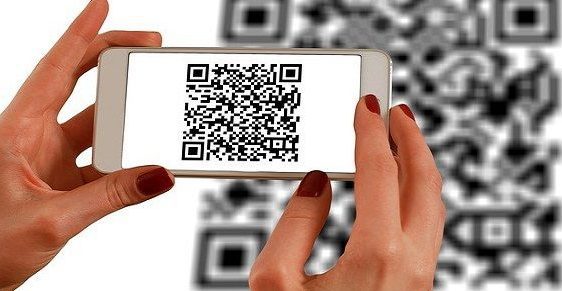
QR codes are increasingly being used for various commercial and personal purposes. These two-dimensional codes are machine-readable optical labels that can store a significant amount of data, including text, URLs, and other information. Scanning QR codes requires a smartphone with a camera, a barcode scanner app and an internet connection. The process of scanning a code is relatively simple. The person scans the QR code with their smartphone’s camera, and the mobile app recognizes the code’s contents and takes the user to a designated website or application.
Understanding Security Measures in QR Code Technology
QR code technology has been around for almost three decades, but its security measures are always improving. The fundamental security measure in QR code technology is the encryption of the contents into a two-dimensional code. Modern QR codes use sophisticated encryption algorithms, making it virtually impossible to hack into or steal information from them. Moreover, QR code generators often contain anti-fraud features that help prevent counterfeiting or duplication.
The Myth of QR Code Phone Number Tracing
There is a prevalent myth that scanning a QR code can give away a person’s phone number. This notion is entirely false. For security reasons, QR codes never give away phone numbers or other personal information, such as names or contacts in the address book. Fundamentally, QR code technology is designed to be one-way communication, meaning that the browser has no access to personal information of the phone. Therefore, scanning a QR code does not compromise your phone’s security or leak your personal information.
QR Codes and Personal Information: Separating Facts from Fiction
QR codes have been falsely blamed for invading personal privacy by collecting and sharing personal information. However, it is important to separate facts from fiction when it comes to QR code security. The truth is that QR codes do not collect, store or share any personal information. QR codes only store information that is part of the code, such as website URLs or product information. Therefore, personal information is never transmitted or stored when scanning a QR code.
Protecting Your Privacy While Using QR Codes
While QR code technology is secure, it is still essential to remain vigilant and protect your privacy while using the technology. Here are some tips to help you protect your privacy:
- Scan only trusted QR codes from trusted sources.
- Do not reveal your personal information when scanning QR codes.
- Keep your smartphone’s software up to date to maintain a secure connection.
- Be careful not to scan codes in untrusted or crowded areas, as they may be malicious QR codes.
Advanced Technologies that Enhance QR Code Security
QR code security is ever-evolving, as hackers and fraudsters find ways to circumvent security measures. Developers are continually exploring new ways to enhance QR code security. Here are some advanced technologies that have been developed to enhance QR code security:
- Advanced encryption algorithms that make QR codes virtually un-hackable.
- Encryption with anti-fraud features prevents counterfeiting or duplicating.
- Dynamic QR codes with limited use, making them time-limited and no longer accessible once scanned, ensuring privacy and security.
- Tracking systems that provide real-time notification when QR codes are scanned, giving users additional control over their privacy and security.
In conclusion, QR codes are a secure and effective way of transmitting information, and they do not pose any privacy or security risks. As long as you follow basic security protocols and scan only trusted QR codes, you have nothing to worry about. With advanced encryption algorithms and additional security features, QR codes may become even more secure in the future.